Wandering Lindsays
Not all who wander are lost....but we probably are!
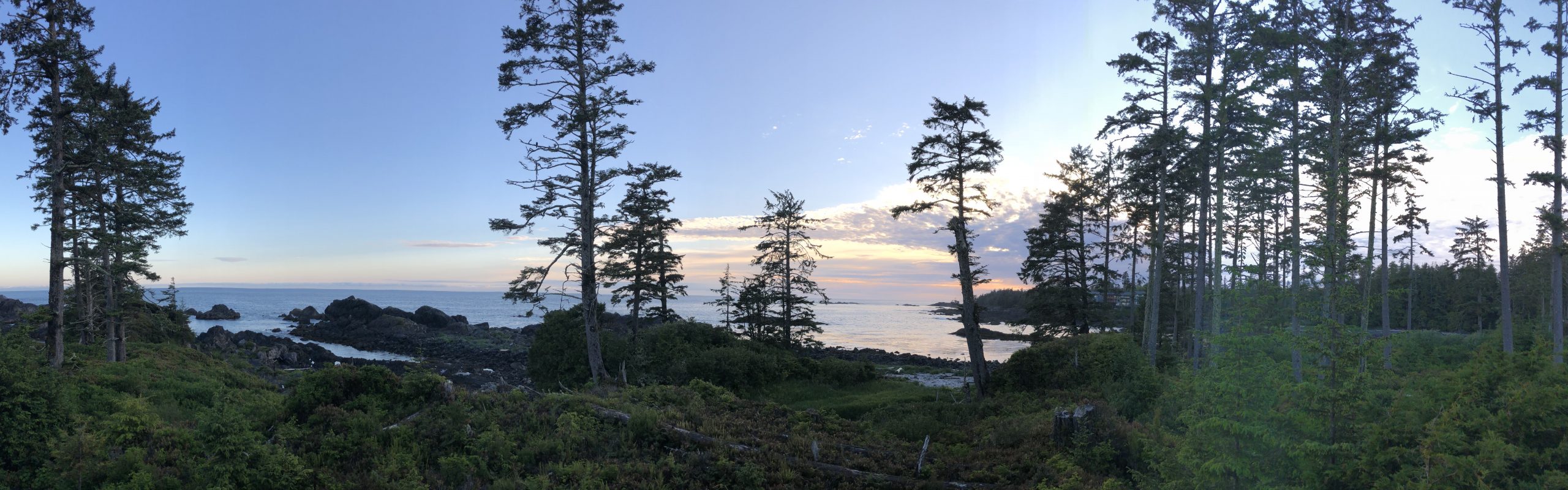
The Road Home
We decided to head home from the Yukon on a different route than the way up. From Watson Lake, we opted to take the Stewart Cassiar Highway instead of the Alaska Highway. It is a more westerly route and supposedly a couple of hundred miles shorter than the Alaska Highway, but it is windier, hillier and a bit more remote so it is actually the slower option. The scenery through the mountains was pretty spectacular though – and virtually no traffic on the road.
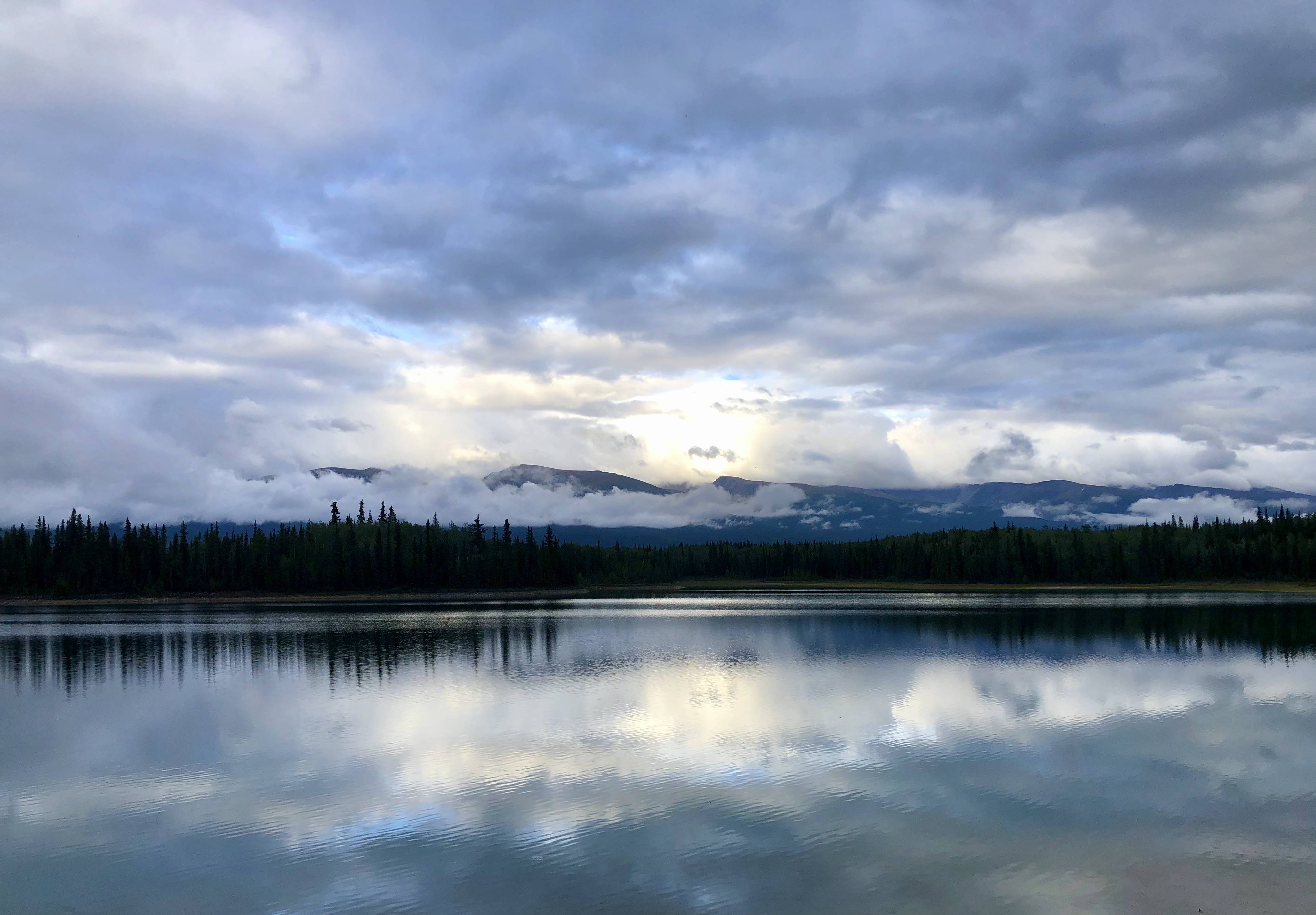
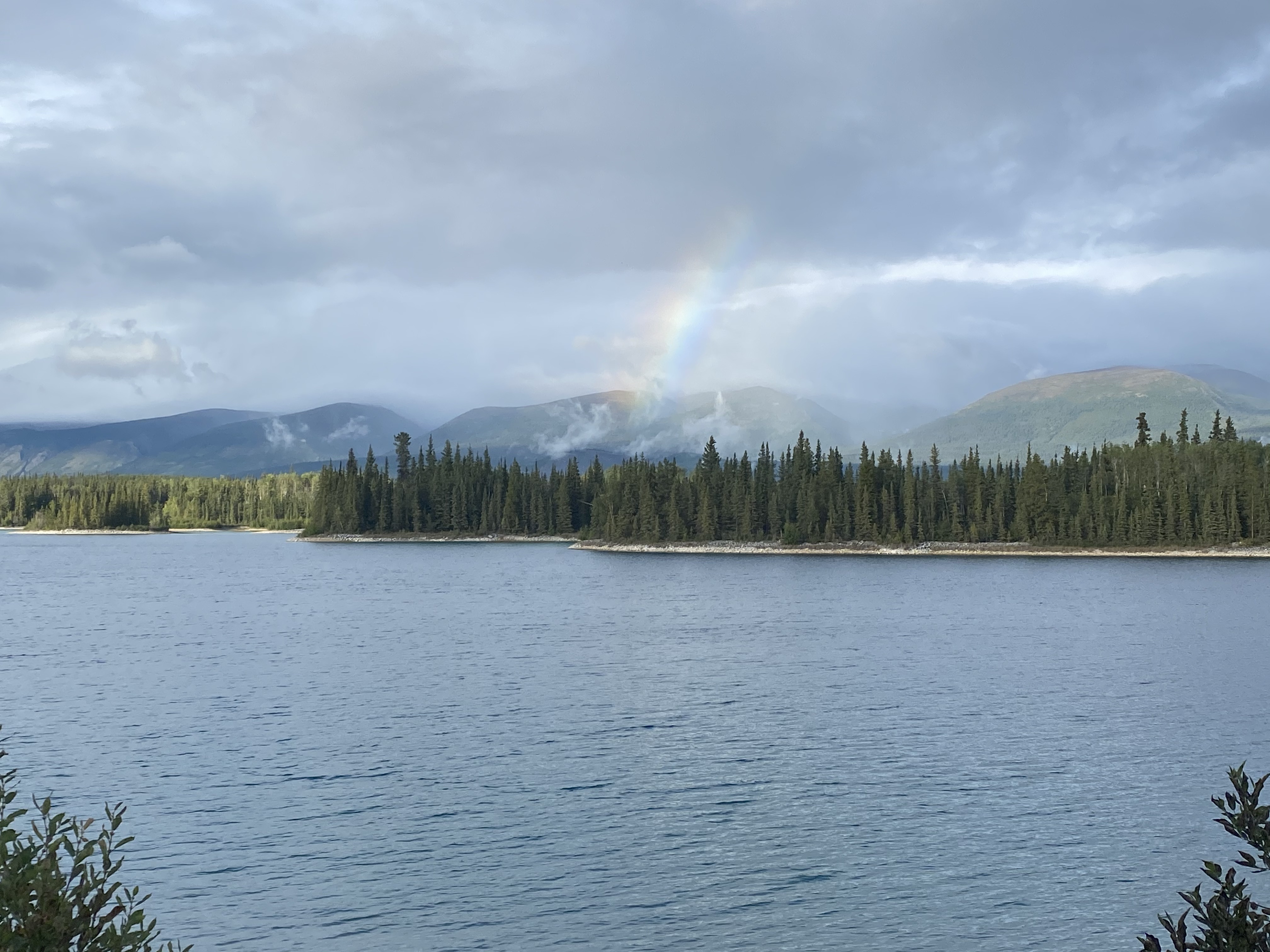
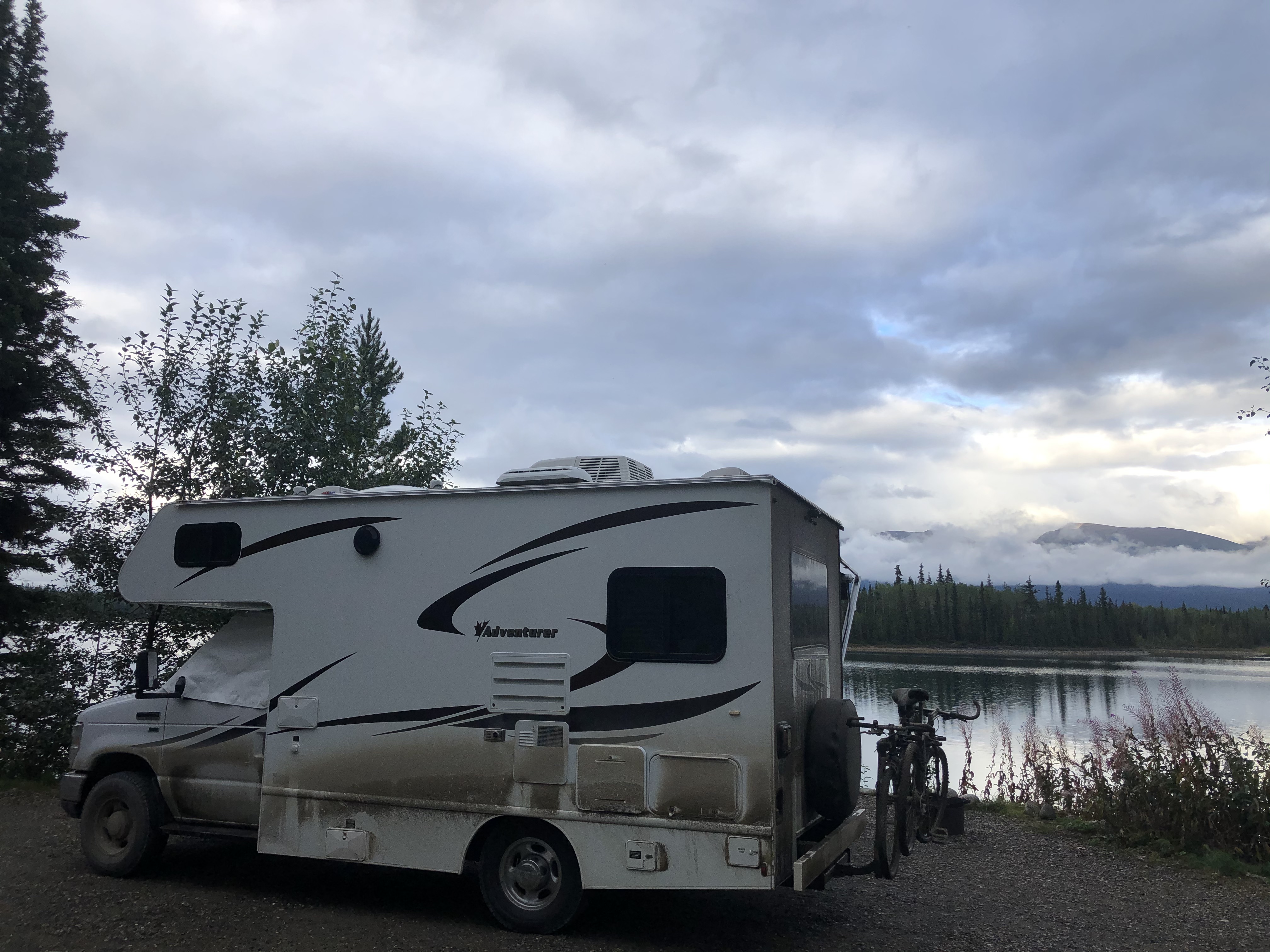
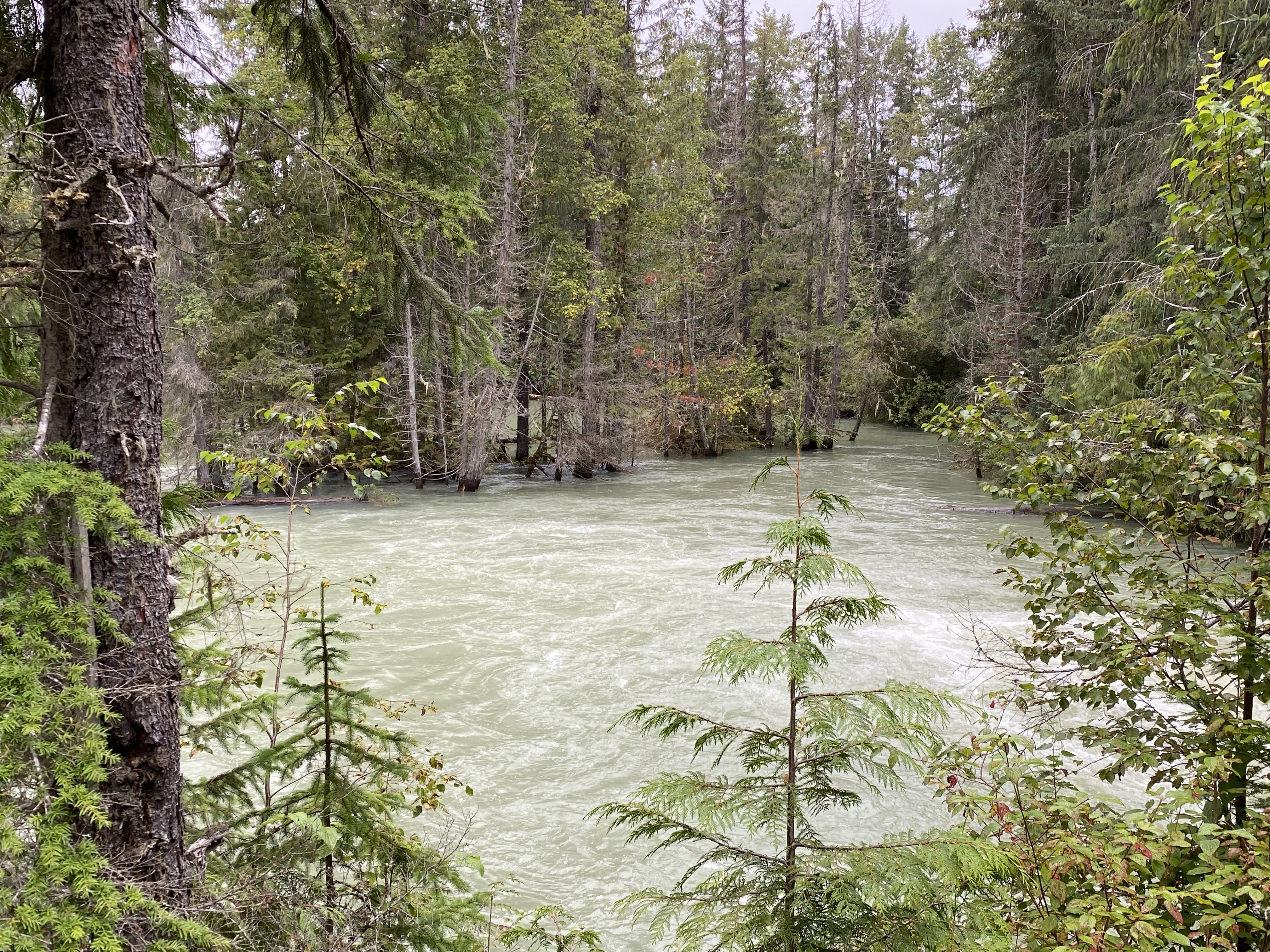
As we started making our way down the highway, we got word of a mudslide and washout at about the halfway point on the Stewart Cassiar. Another consequence of all the wet rainy weather we had been having! We decided to camp at Boya Lake Provincial Park, a couple of hours north of the slide, to wait out the clean-up and re-opening of the highway. It was a great choice – not only was the lake really beautiful but we had a water front camp site and the camp operator was a super sweet and friendly lady. After a couple of days, we were told that they were expecting to have periodic openings where they would escort one way traffic through for a few hours each day. So we packed up, made a run for it and arrived at the checkpoint with about five minutes to spare. Our timing was perfect – just as we pulled up the pilot car started to move so we barely slowed down. Wasn’t so nice for those at the other end though where cars seemed to be waiting for an hour or more to get through the slide area.
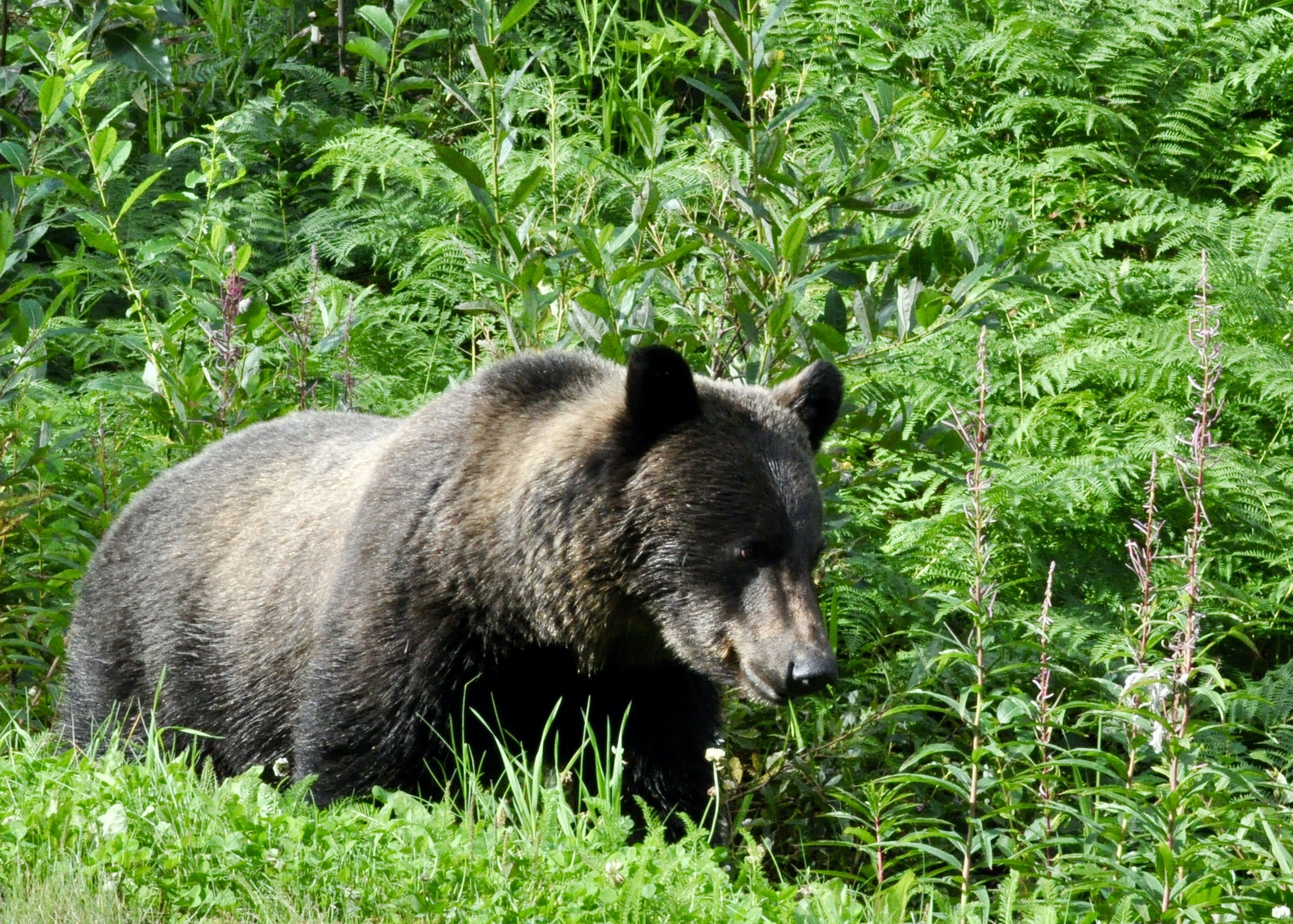
Once we were through the slide area, it seems that the bears in the area set up a welcome party for us! In just an hour of driving, we saw close to three dozen bears – black, grizzly, mommas and babies, you name it! They were quite happily chomping on the dandelions and grass on the roadside. The locals said that it was the greatly reduced traffic that brought the bears close to the road and even into the campsites. We were that vehicle that slowed down for nearly every bear…..fortunately there was no other traffic so we didn’t tick anyone off and managed to get some great photos!
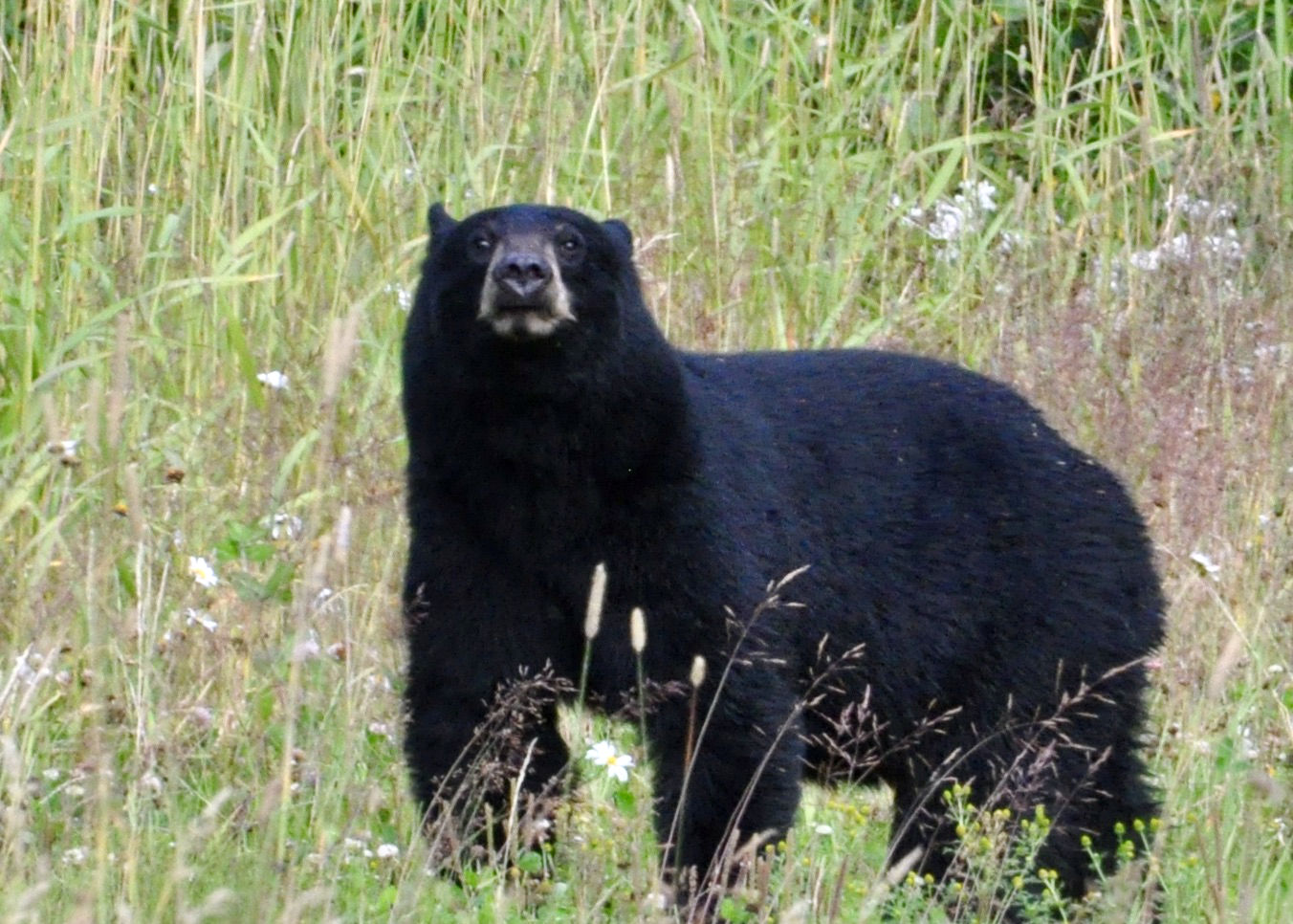
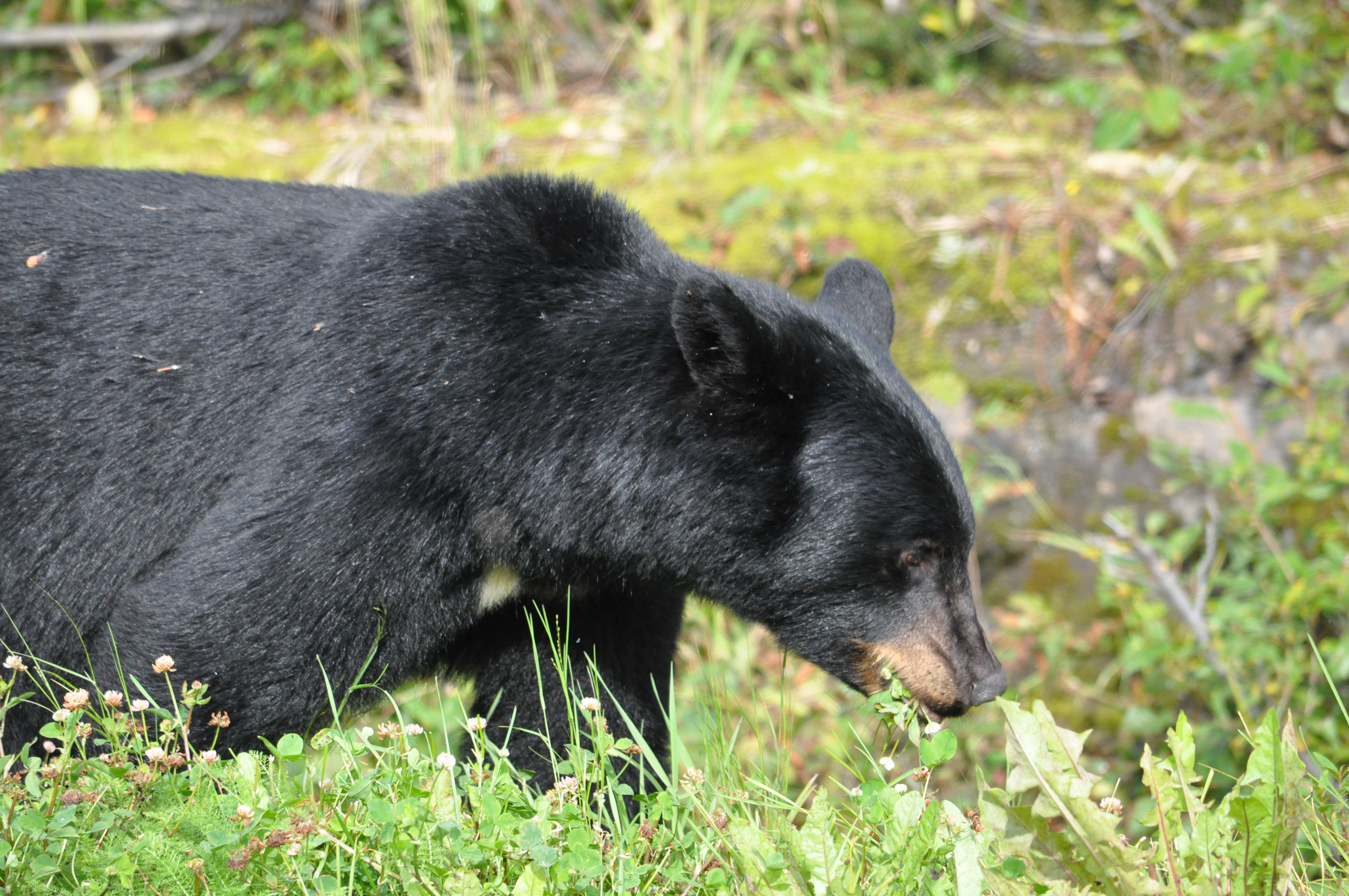

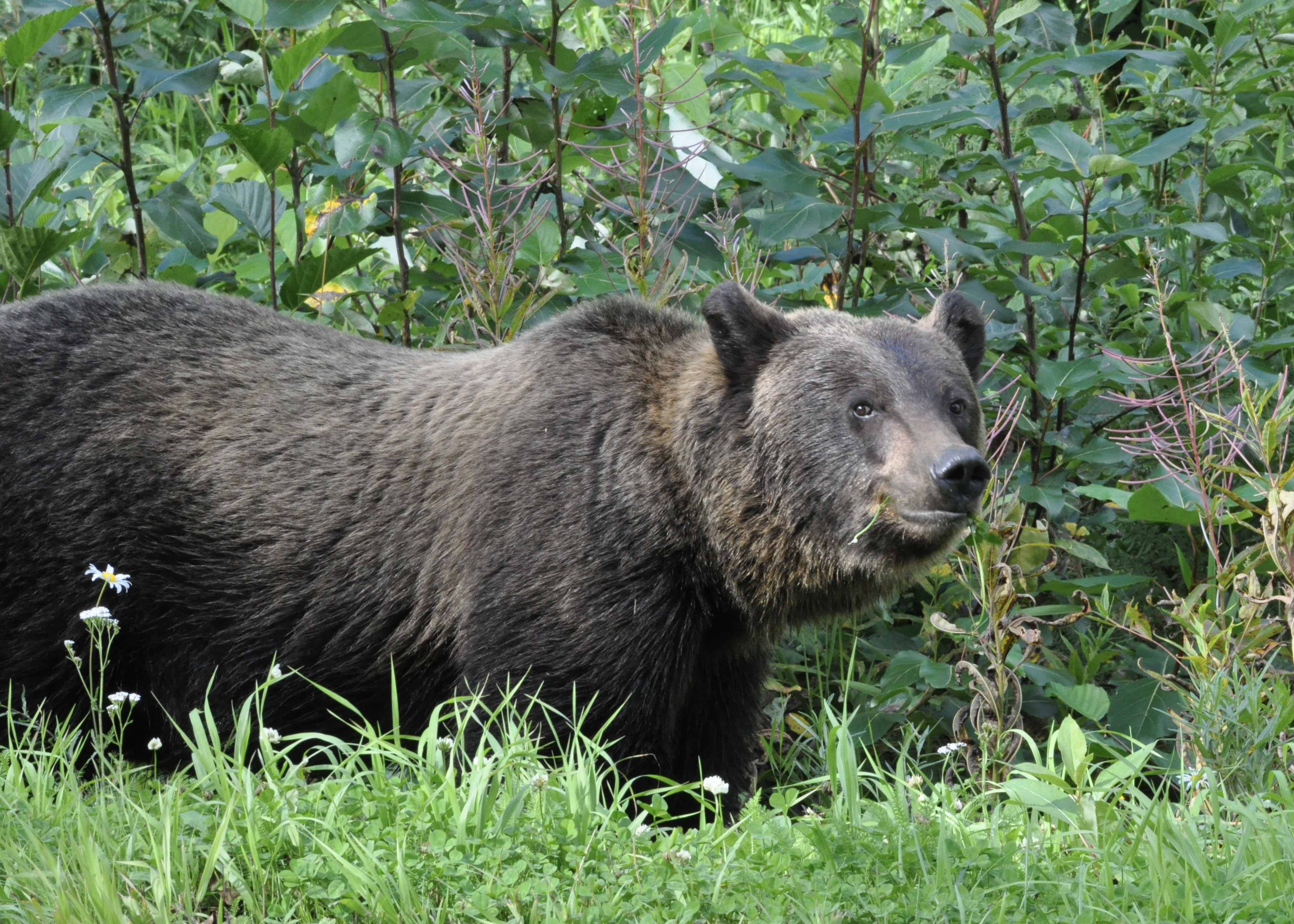
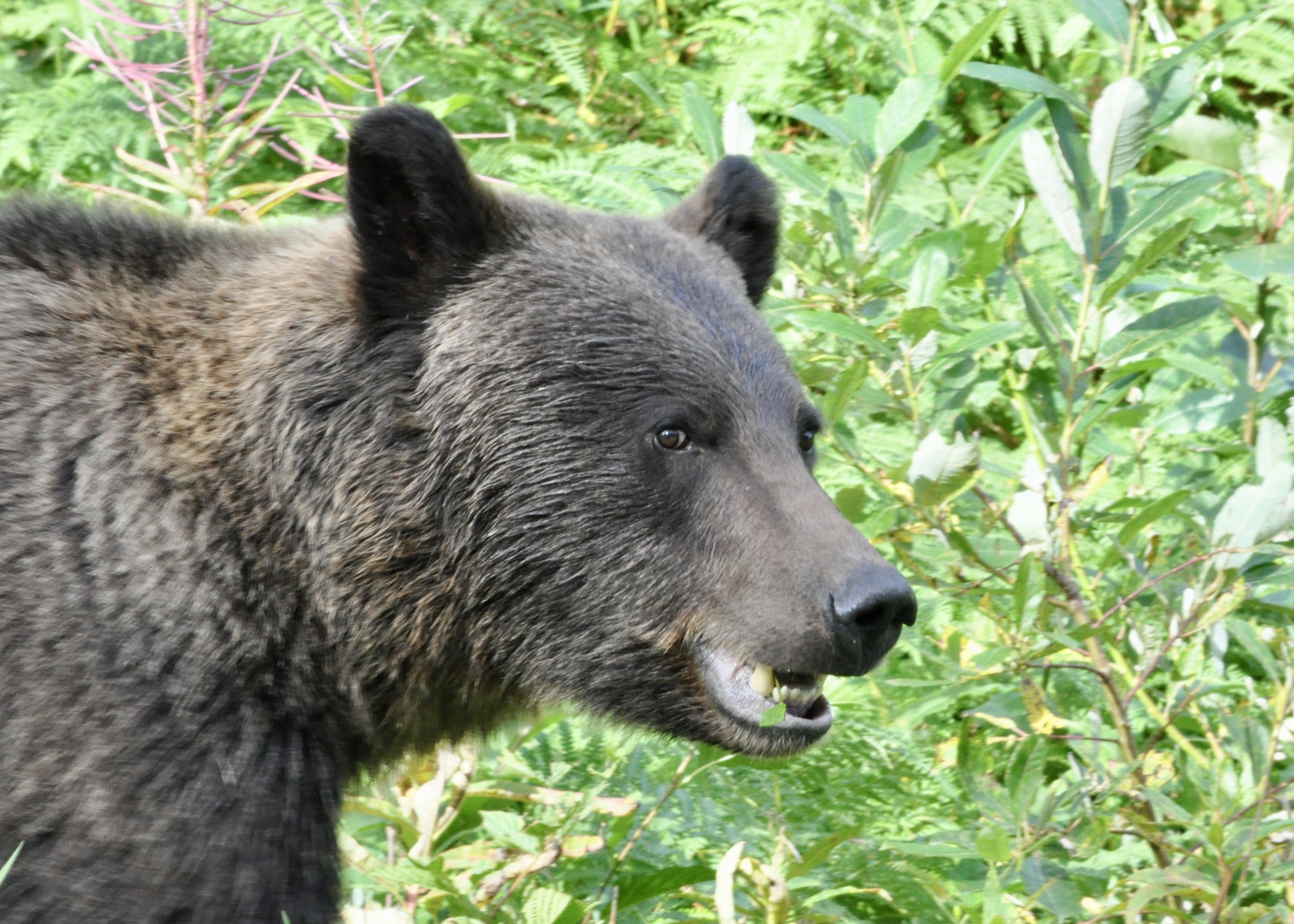
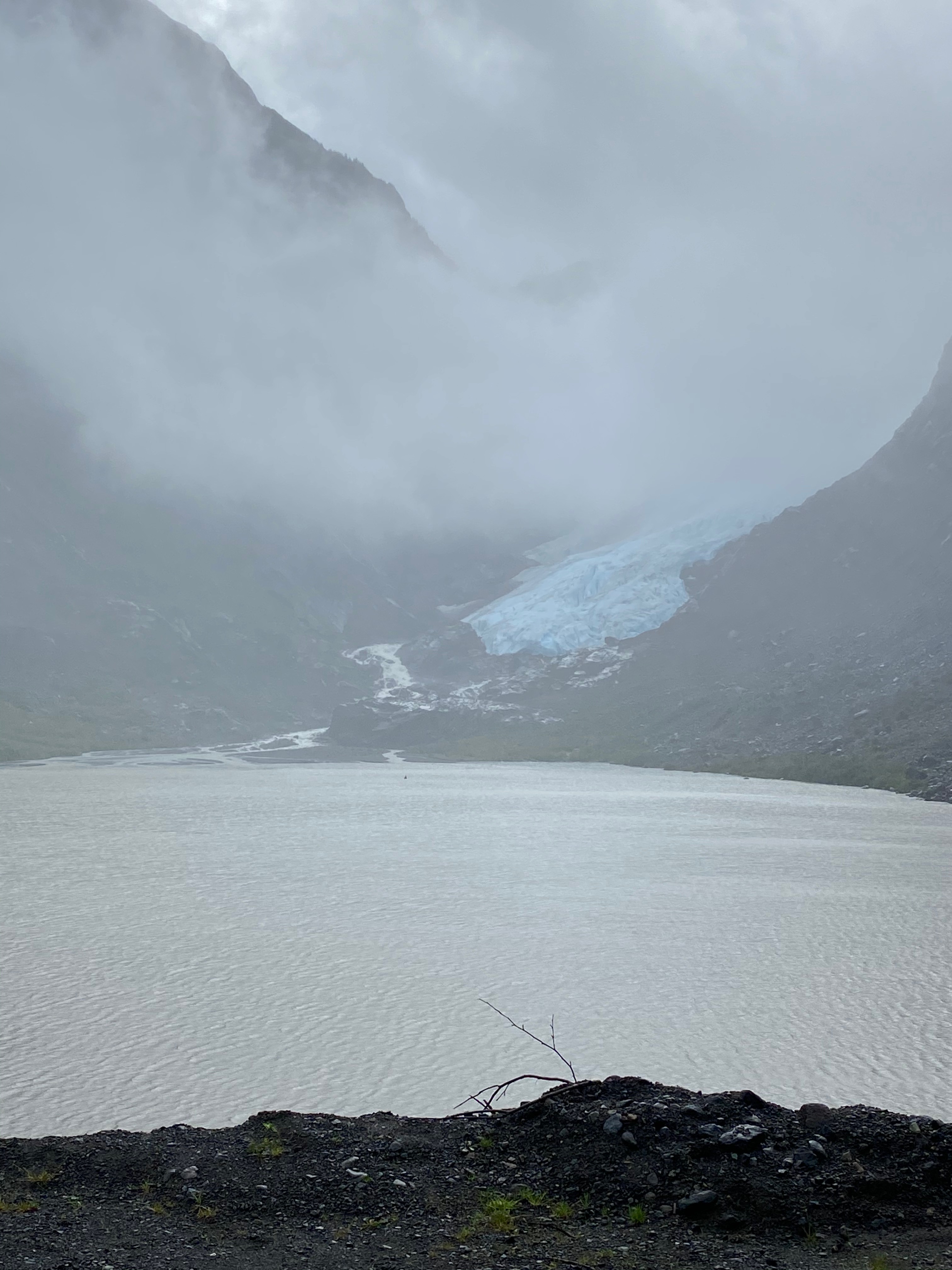
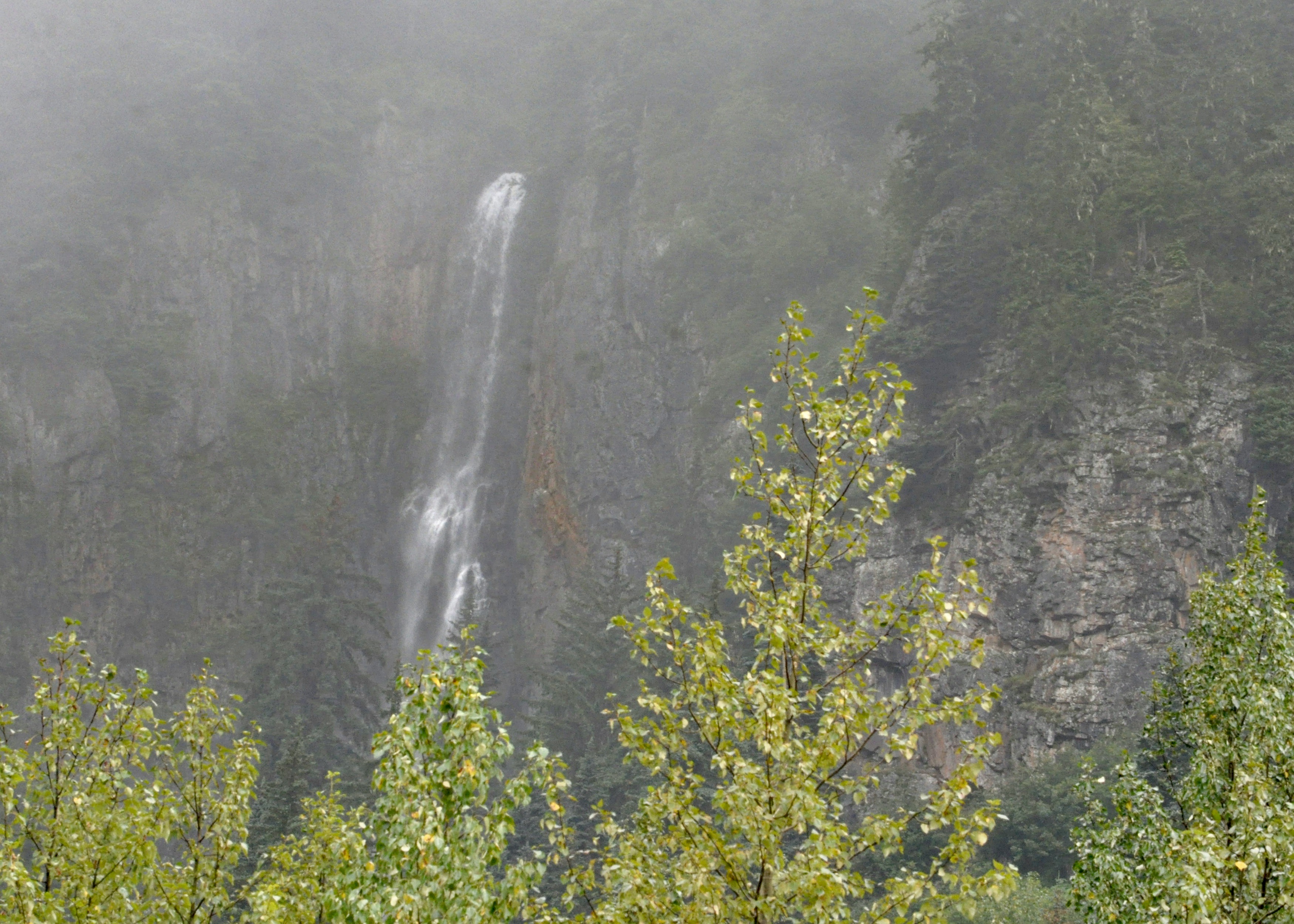
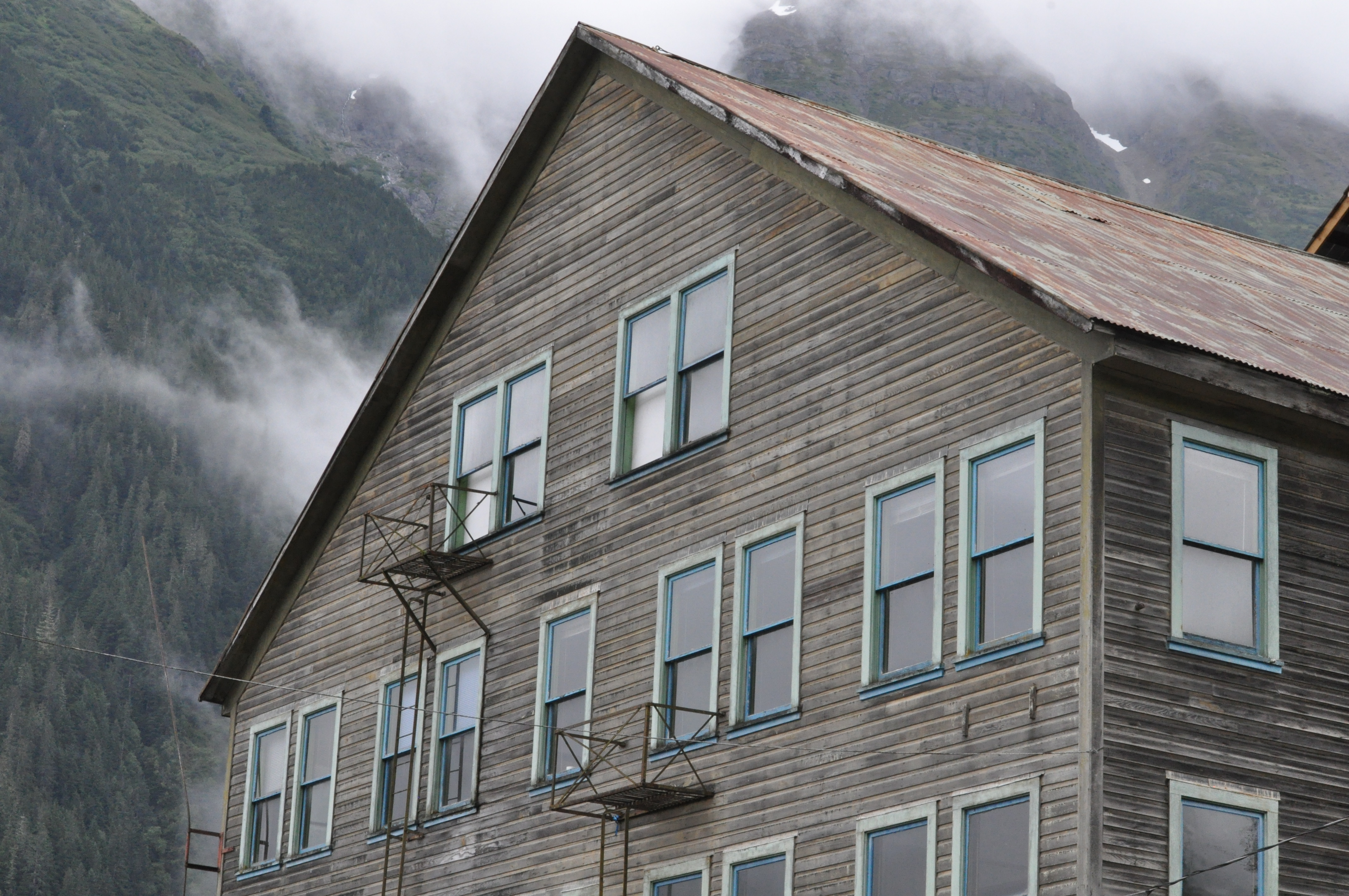
We stopped for the night in Meziadin Lake Provincial Park and took a little side trip to Stewart. Like many of the places we have visited on this trip, Stewart was once a bustling town but is now just a shadow of its former glory. That said, there are lots of really cool heritage buildings in town and its location at the end of a long inlet surrounded by mountains is pretty spectacular. On the drive in, we passed the Bear Glacier (appropriately named given the number of bears we encountered!) and more waterfalls than we could count.
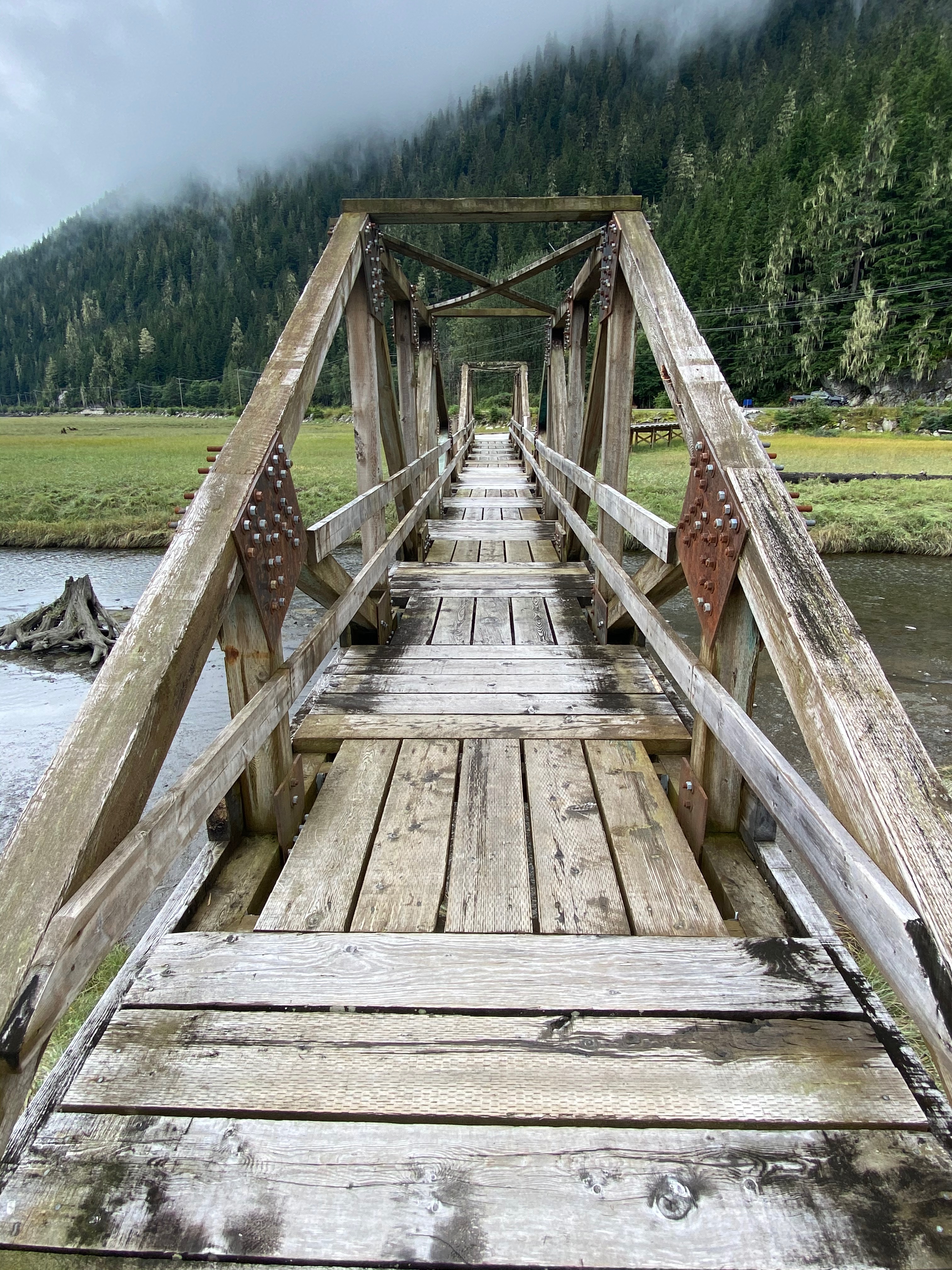
From Meziadin, we carried on into Terrace where we had the almost forgotten pleasure of sitting in a pub and watching the Canucks win a playoff game! Not exactly what we were expecting to see in August but hey – we’ll take what we can get.
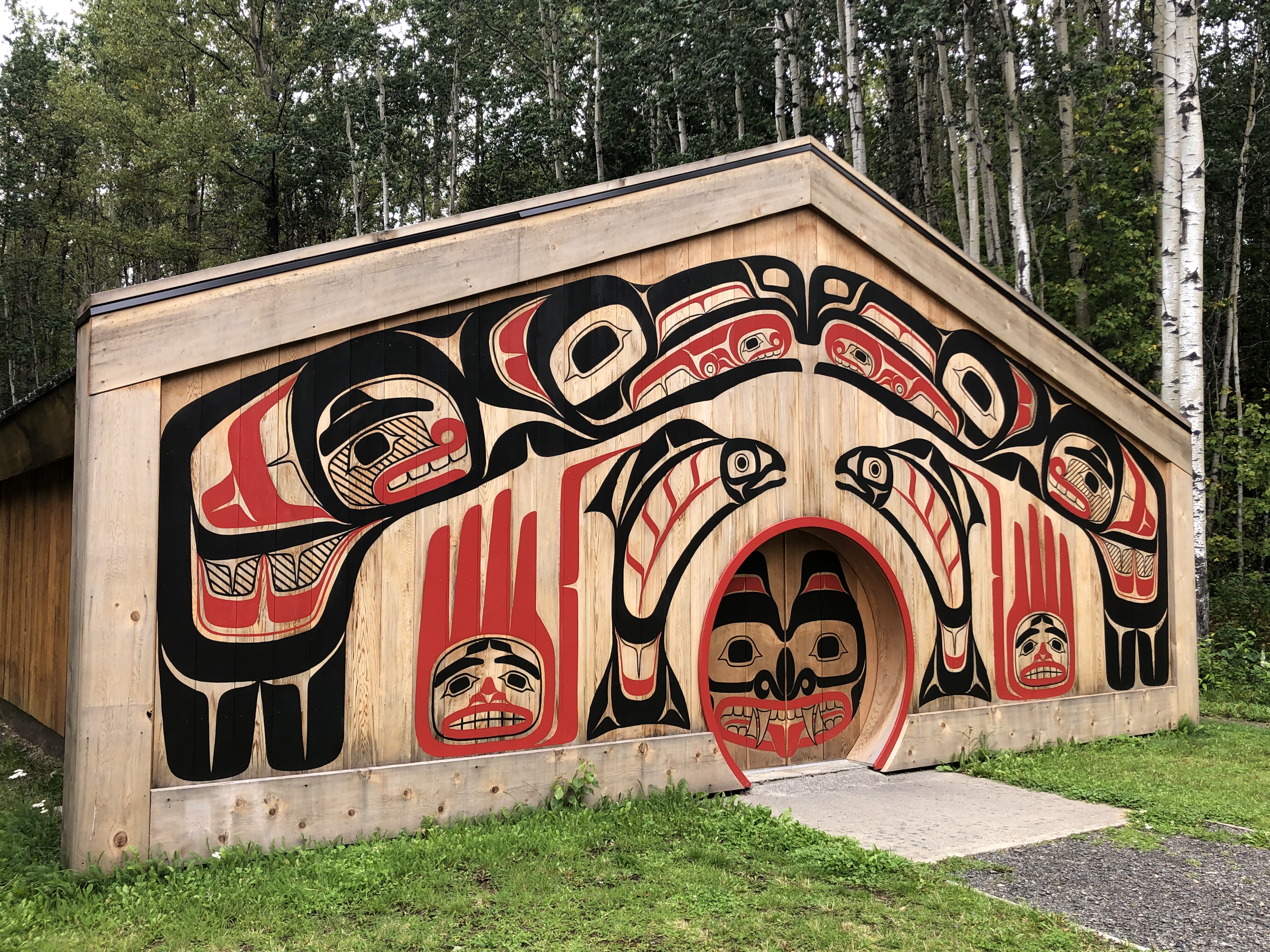
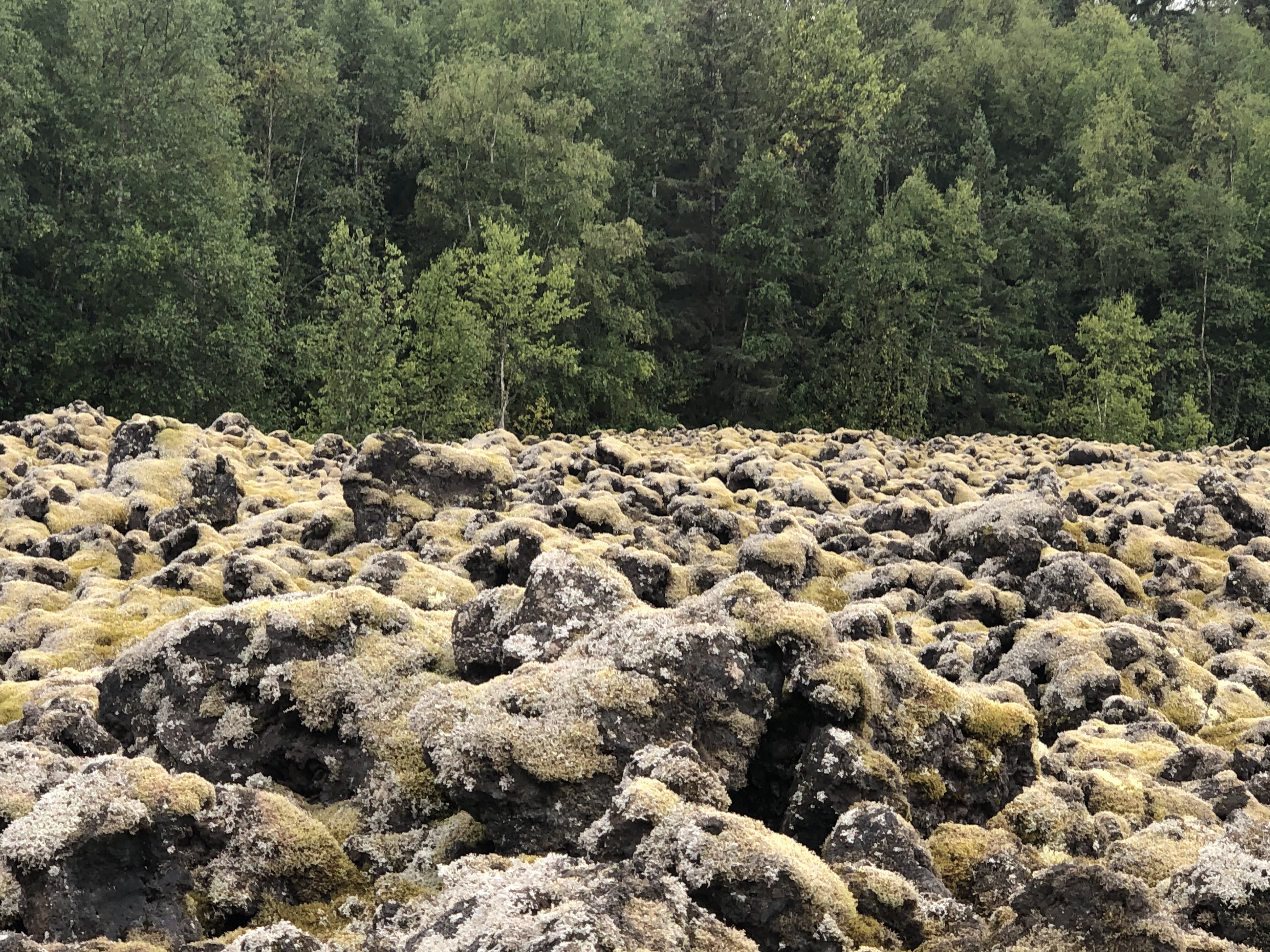
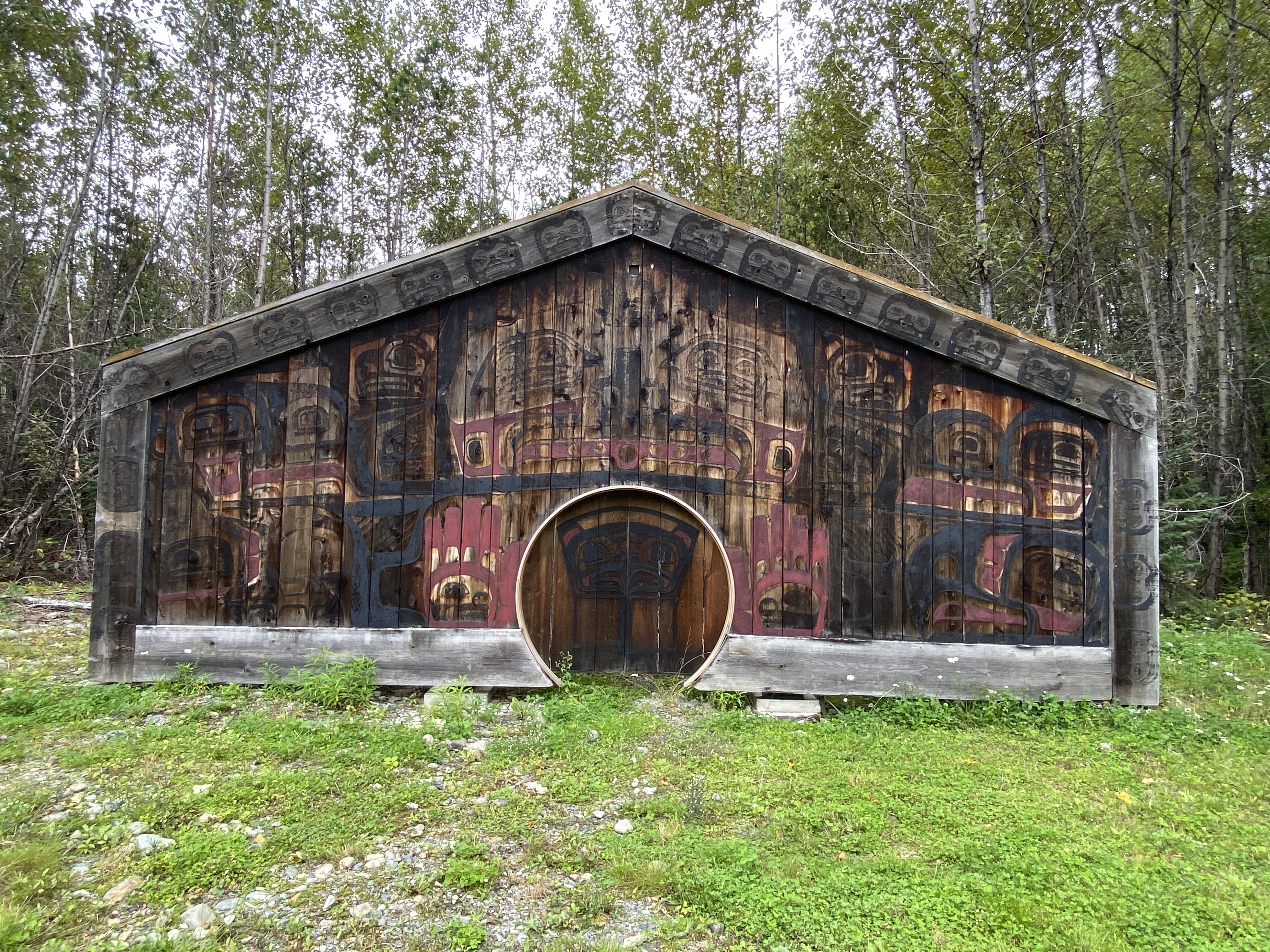
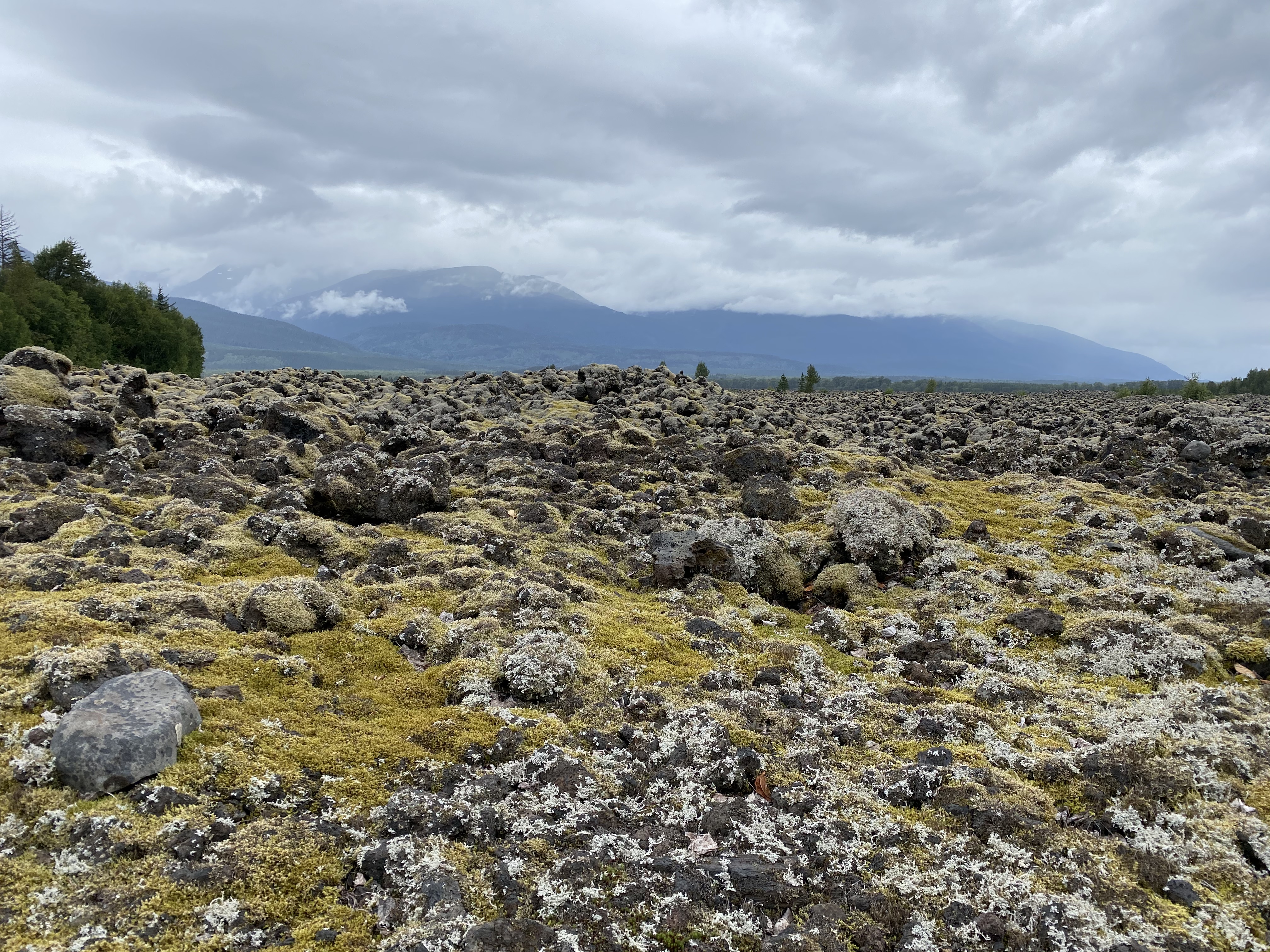
The next morning, we ventured up the Nisga’a Highway for another interesting side trip to the Nisga’a Memorial Lava Bed Park. This is the site of what is believed to be the last great volcanic eruption in Canada which occurred approximately 250 years ago. Tragically, when the Tseax Cone erupted, the lava spilled down the Nass Valley, blocking the river and destroying two Nisga’a villages. An estimated 2000 people died. The landscape it left behind is uniquely beautiful and haunting. It is difficult not to feel the spirituality of the site when you visit.
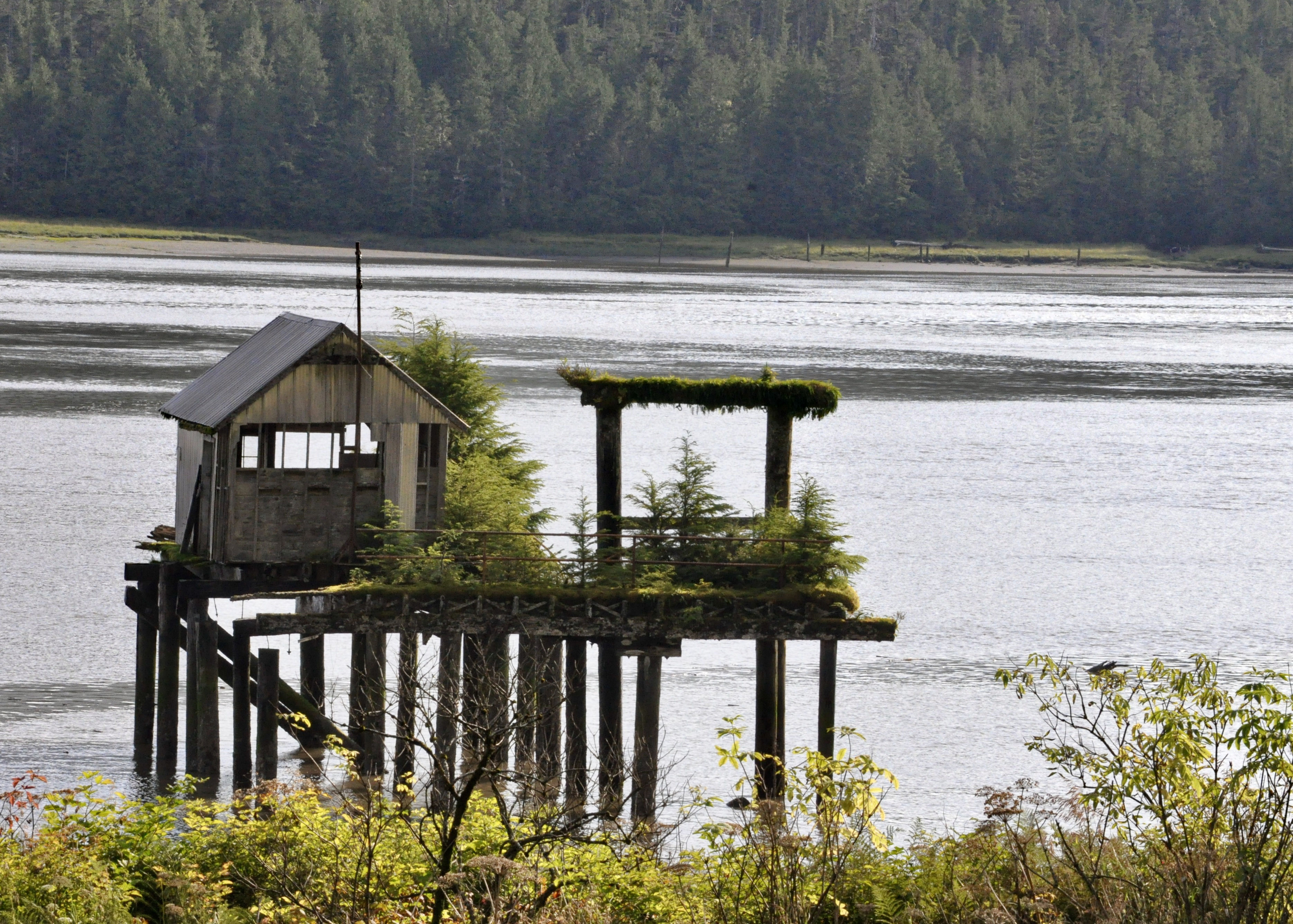
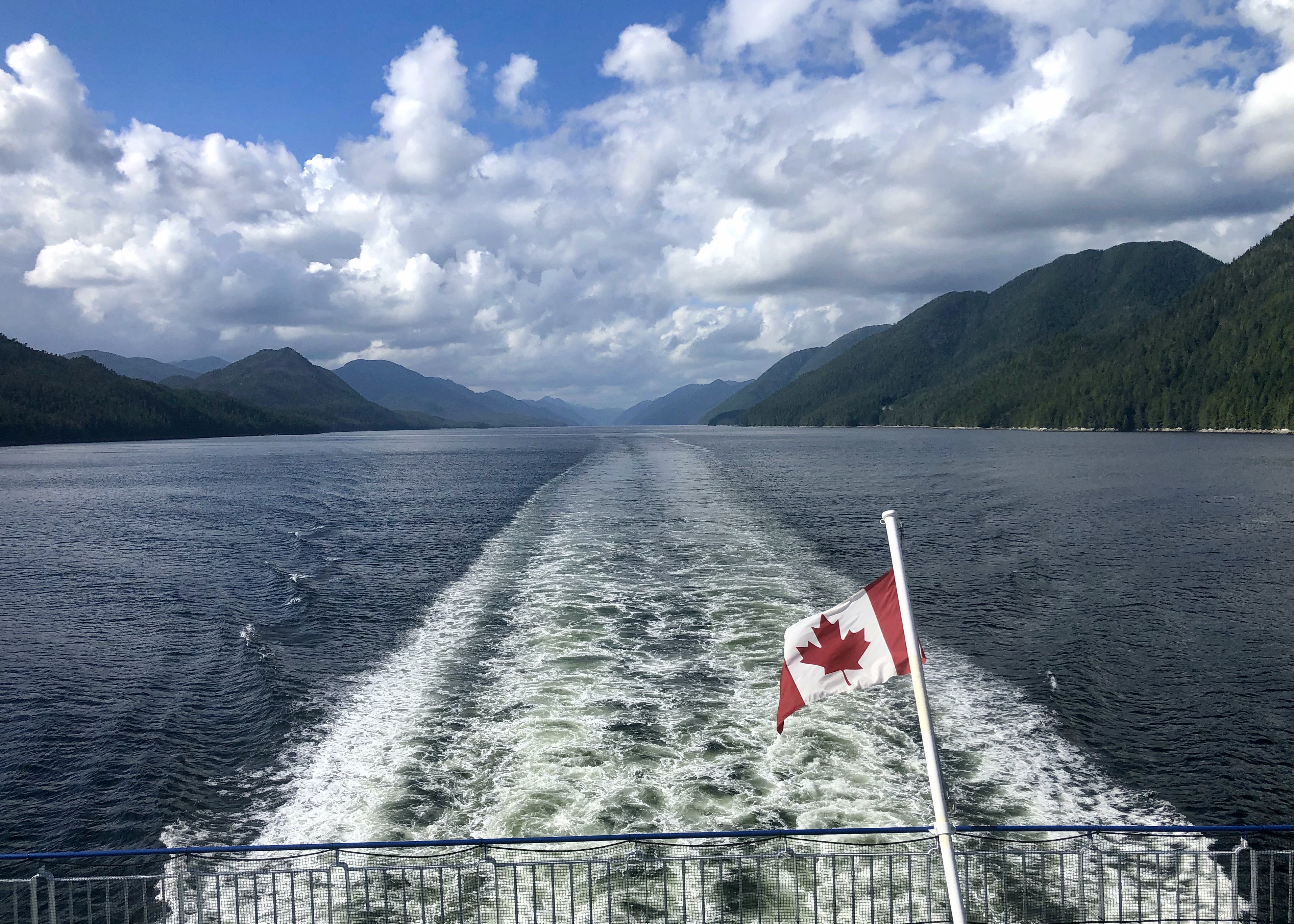
We continued our journey to the very end of the road in Prince Rupert with the hope that we would be able to catch the ferry down the coast to Port Hardy. It promised to be a rather long but incredibly scenic voyage through the inside passage with stops in Bella Bella and Klemtu. Taking the ferry down the coast is something we have talked of doing for a while and we were quite excited about the prospect of finally making the trip. Unfortunately this year though, BC Ferries has been operating on a significantly reduced summer schedule so by the time we made up our minds to take the ferry, our targeted sailing was fully booked. We were wait listed for August 28 and had our fingers crossed. Two days before the departure, we got the news that we were confirmed! In the meantime though, we had kind of mentally planned our drive home via Highway 16 so now had a decision to make….sail or drive? We opted for the ferry and two days later we packed up and boarded the ferry homeward bound. The drive will have to wait for another time – but we have a little pre-planning done now!
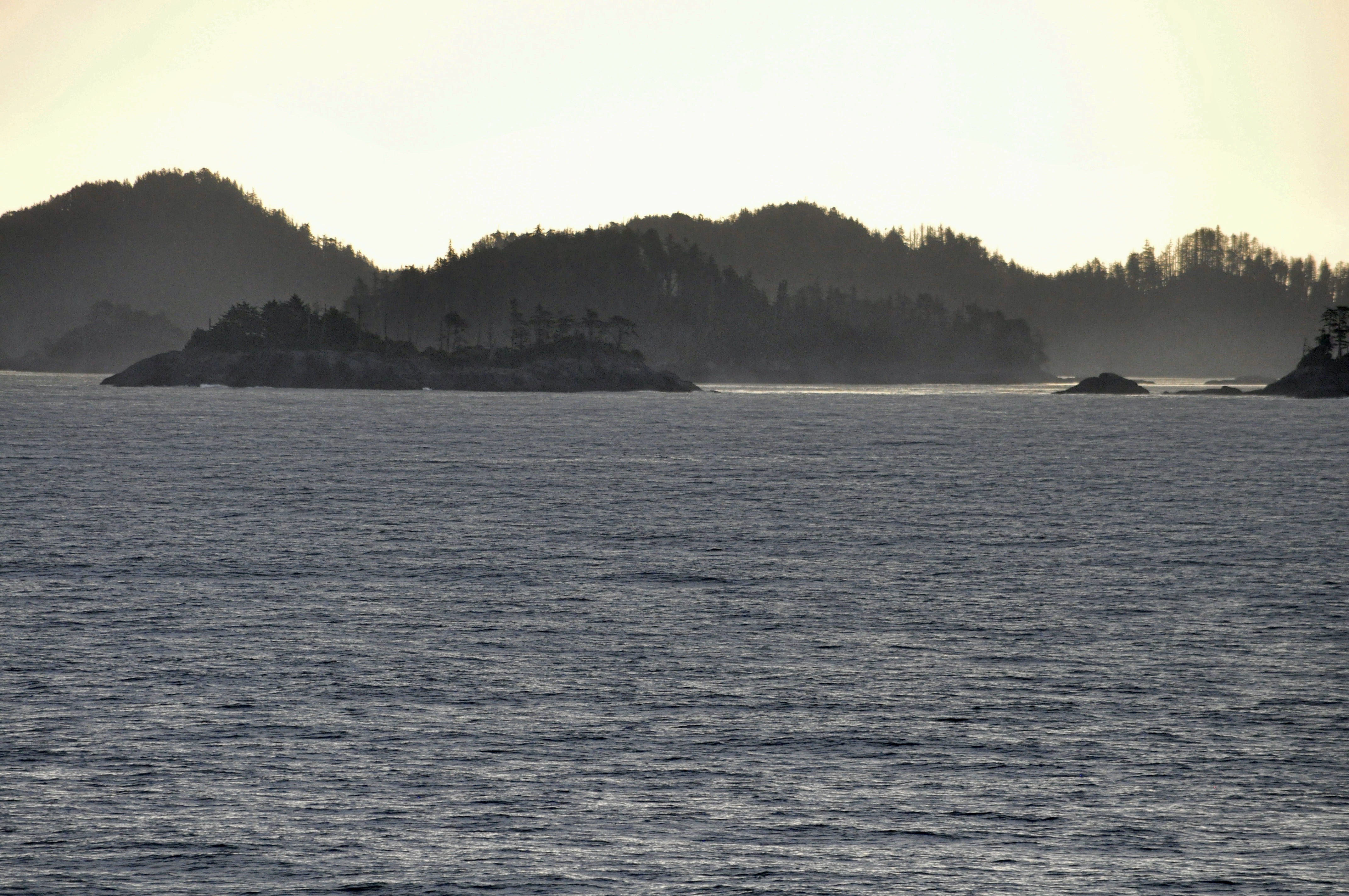
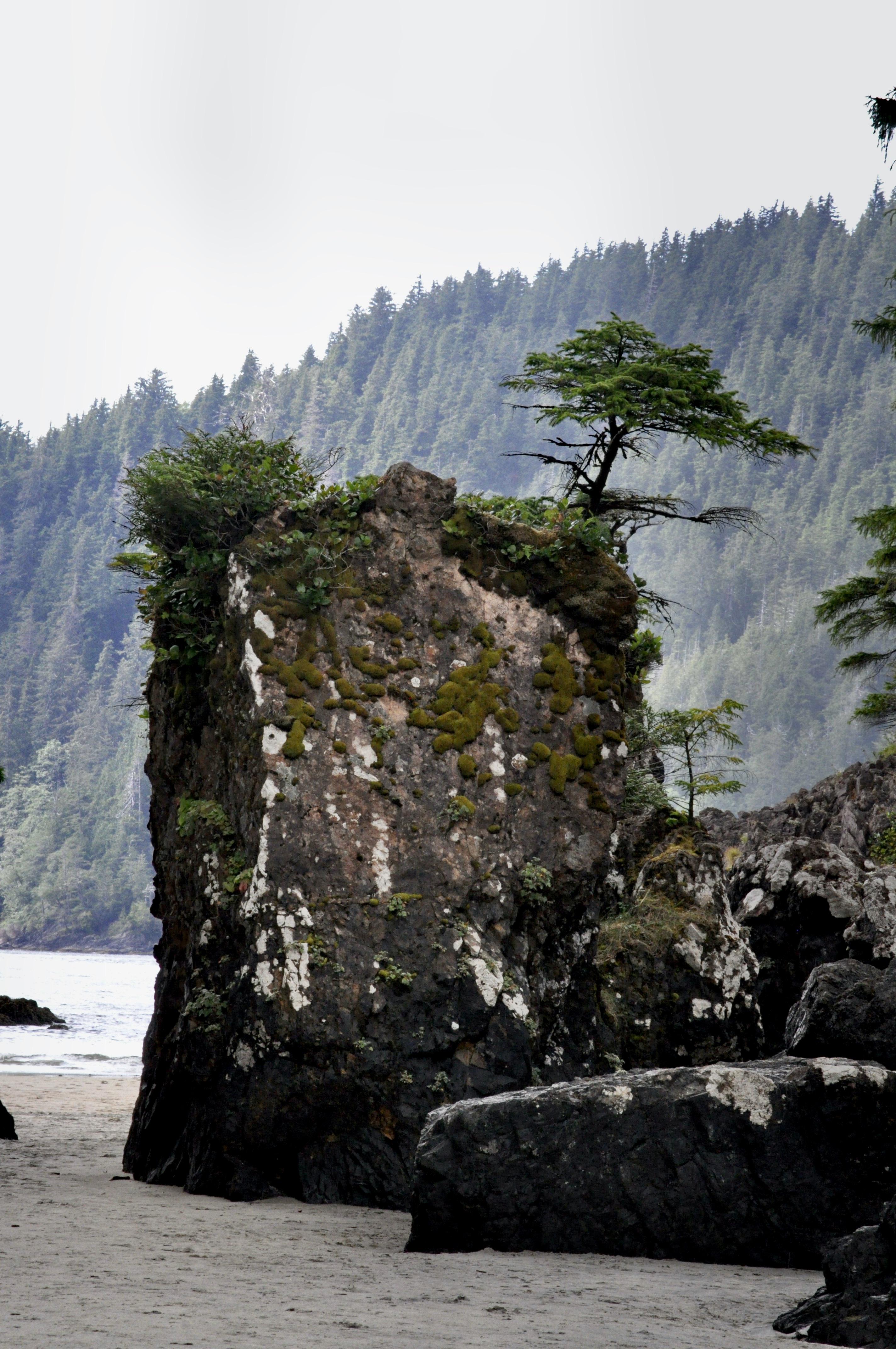
After disembarking in Port Hardy in the morning, we grabbed some coffees and muffins to go and hit the road to Cape Scott Provincial Park. Cape Scott is home to some great hiking, beautiful beach (complete with sea stacks and caves), a lighthouse and is the northern most point on Vancouver Island. After all the driving we did up north, we thought the worst of the gravel roads were behind us….turns out we had one last test for B! The road in to Cape Scott is only about 60 km but is actually quite nasty so it is not a quick drive. Regardless, we made it in and out safely. The scenery on the coast was beautiful so the trip was worth it but next time we might stay for more than one night and try the hike to the lighthouse.
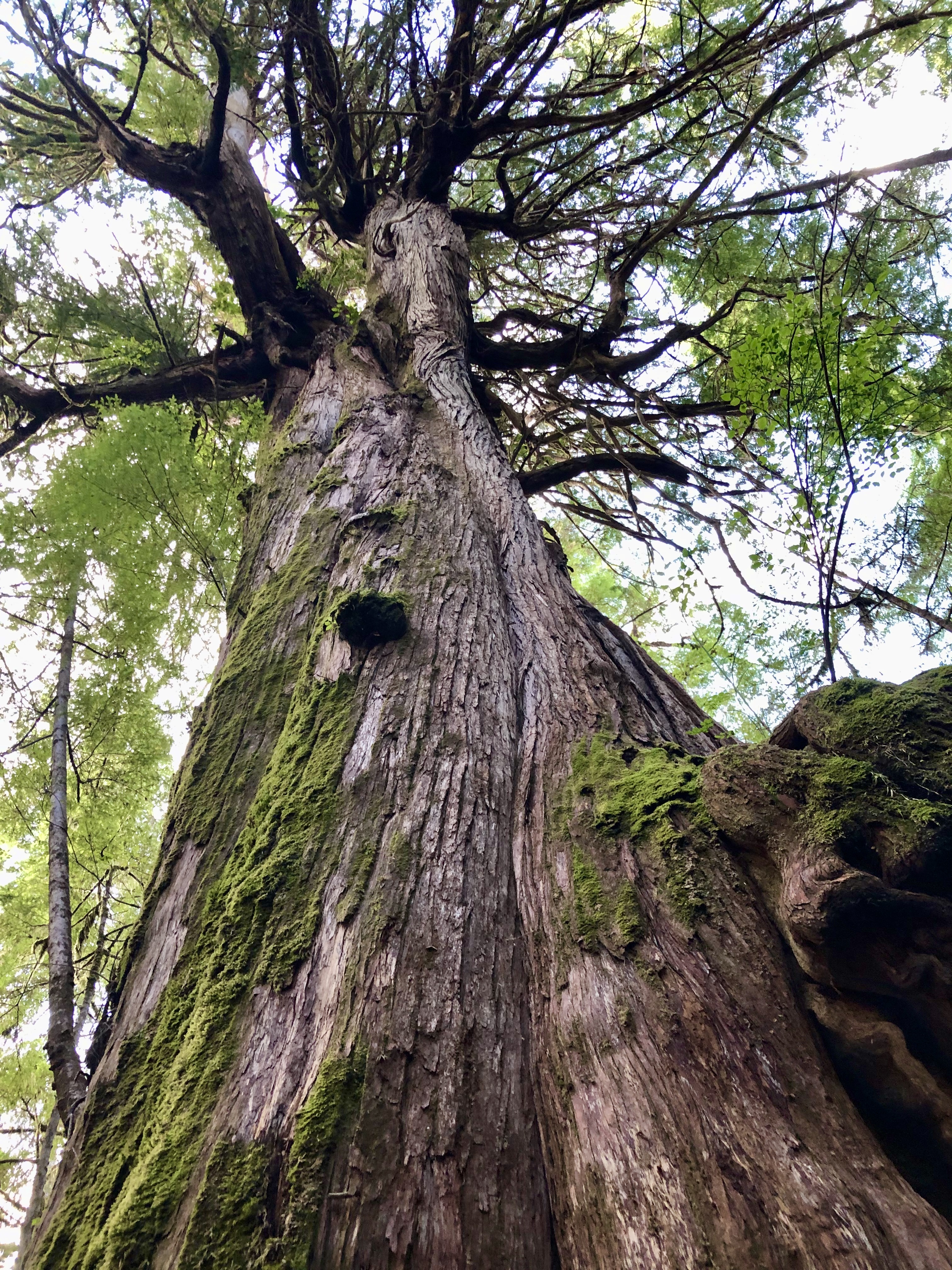
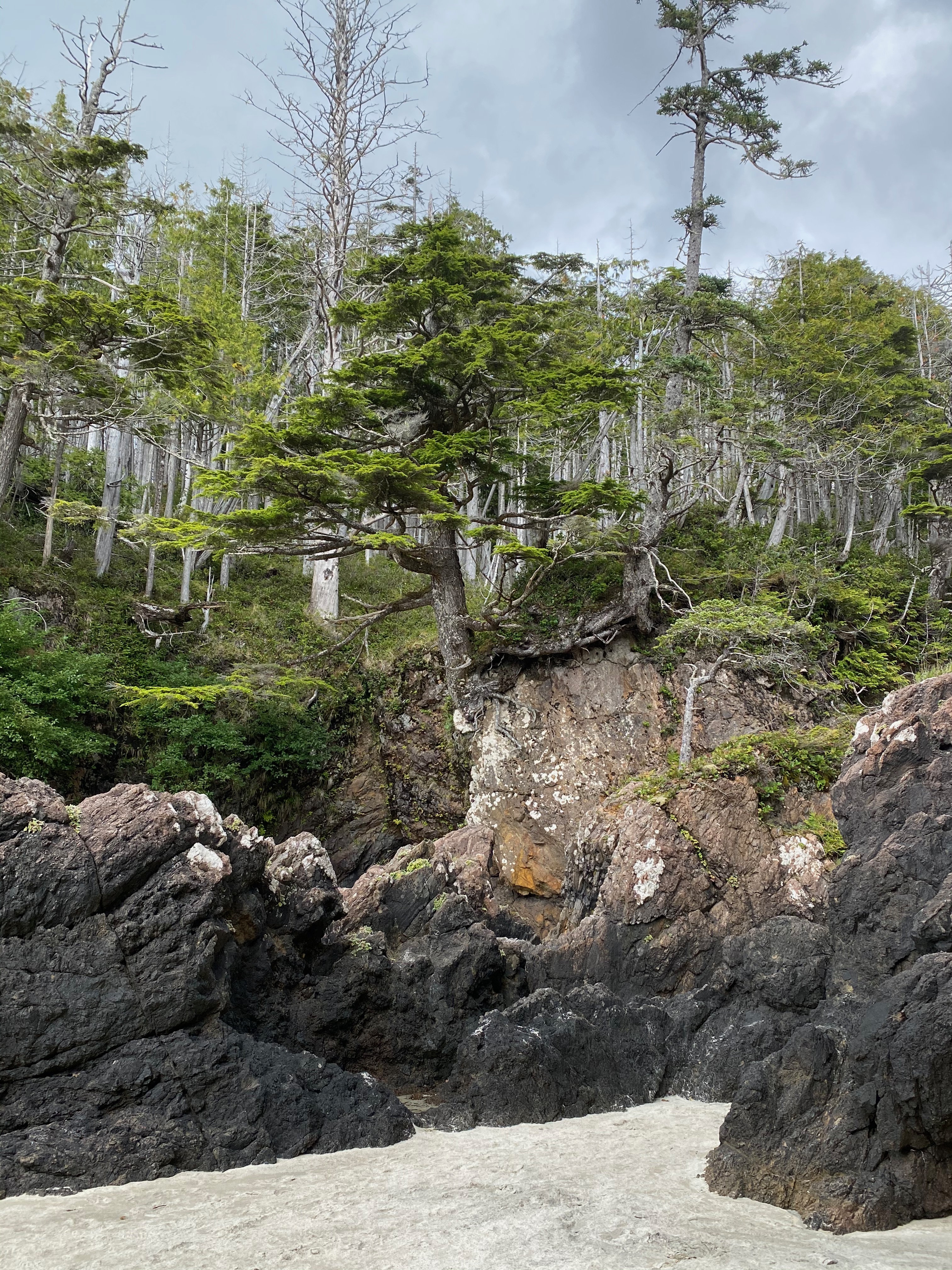
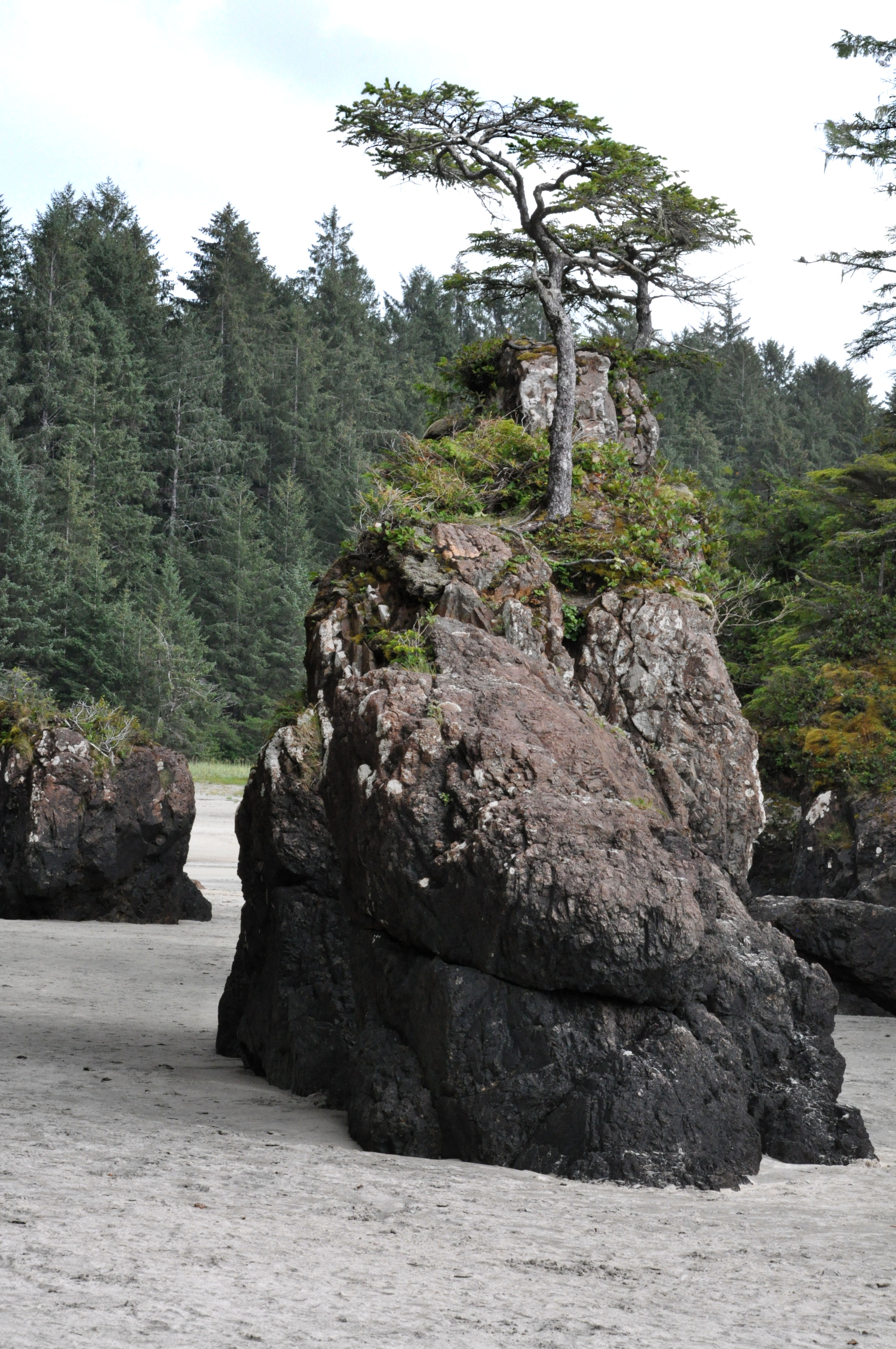
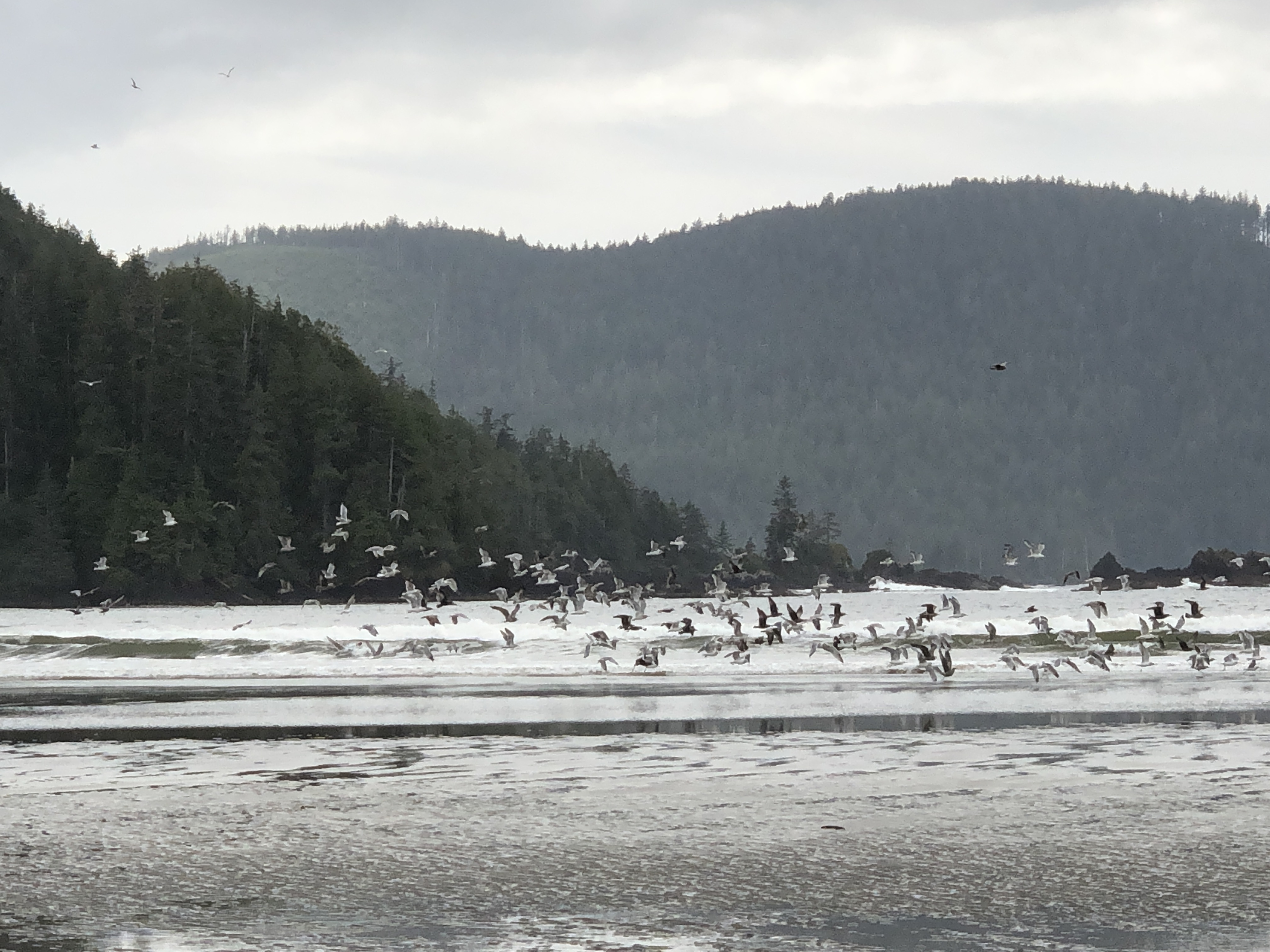
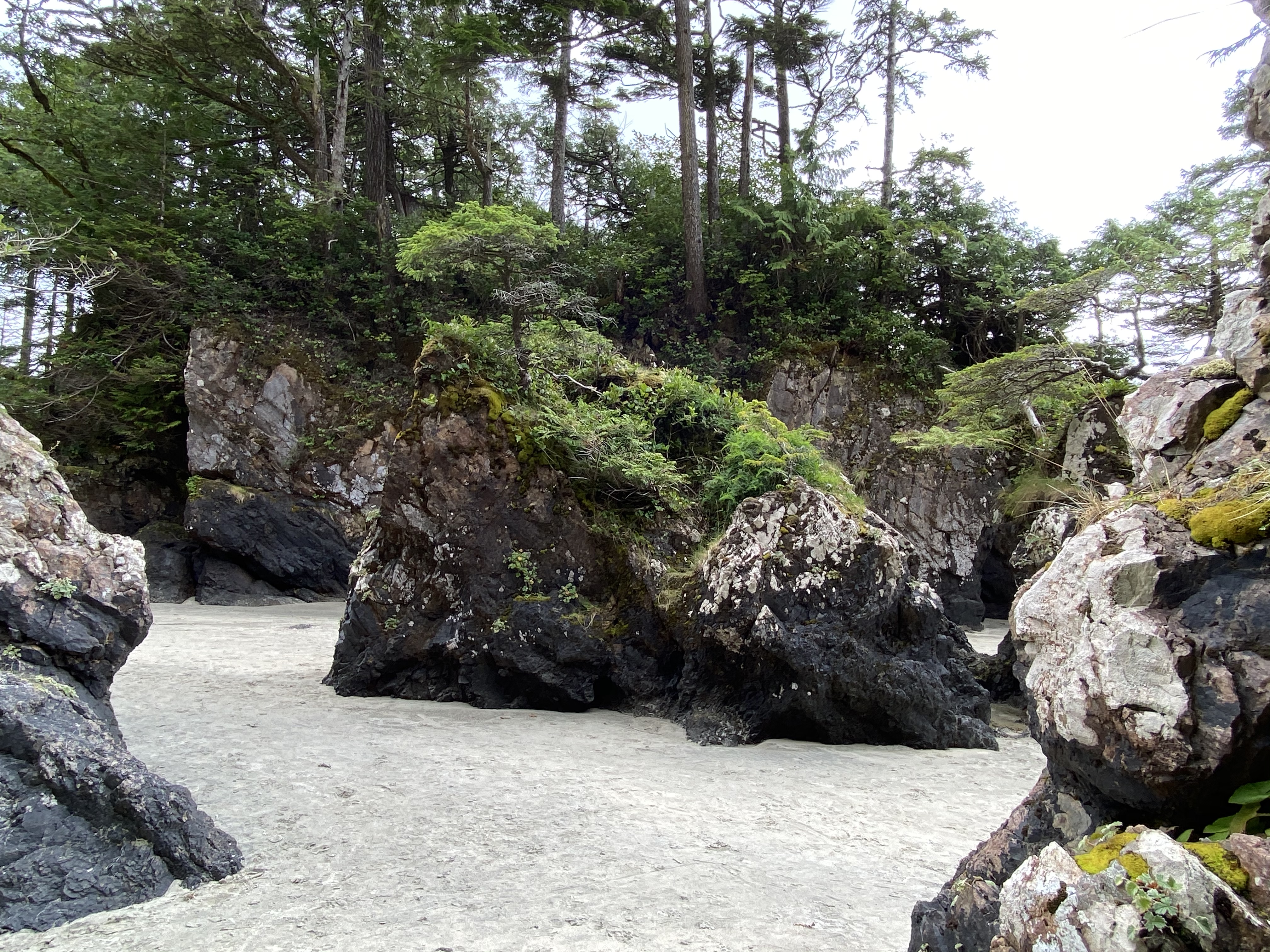
Our next stop as we headed down Vancouver Island was at the charming little village of Telegraph Cove where we had a very wet day of kayaking….
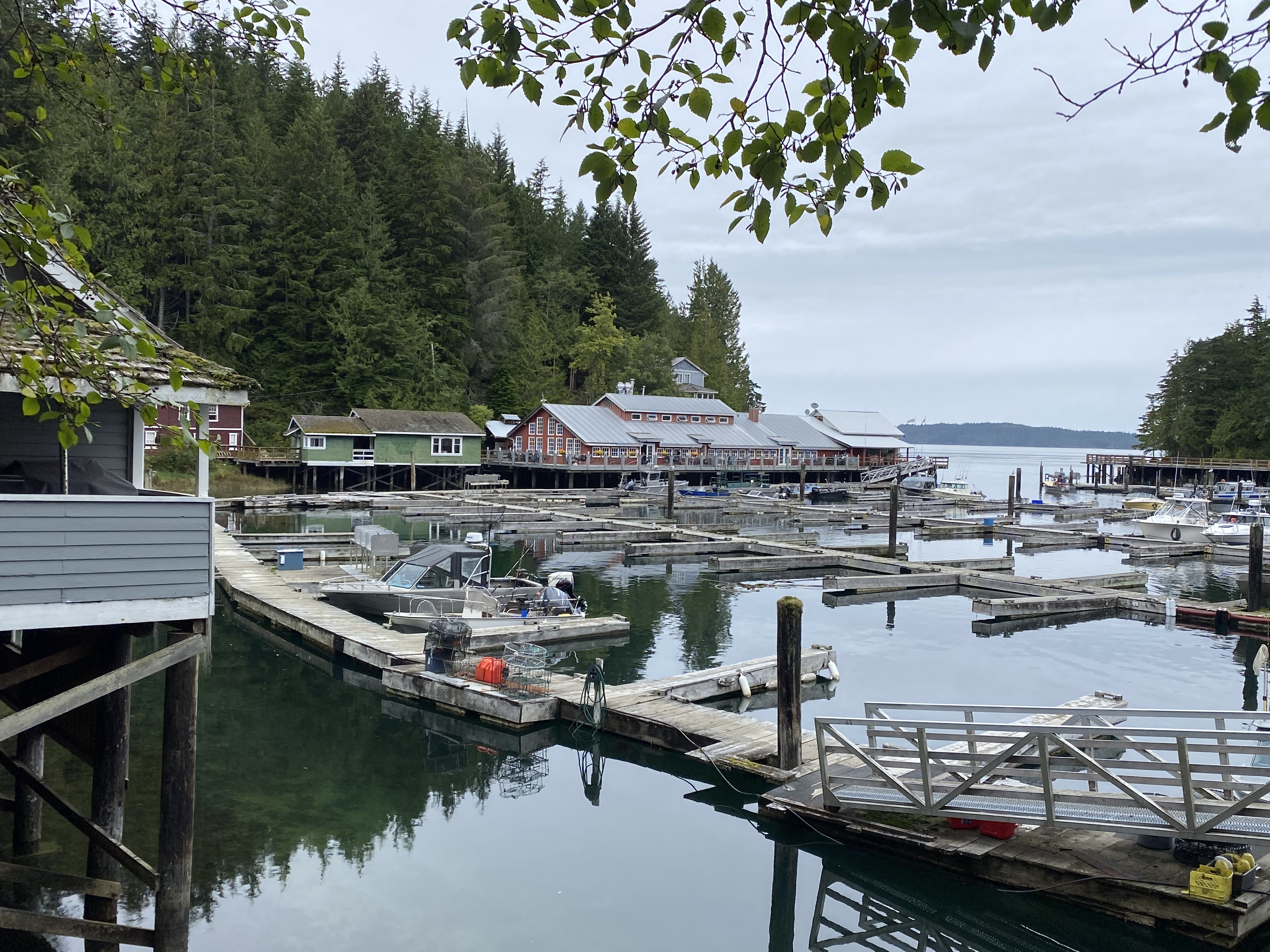
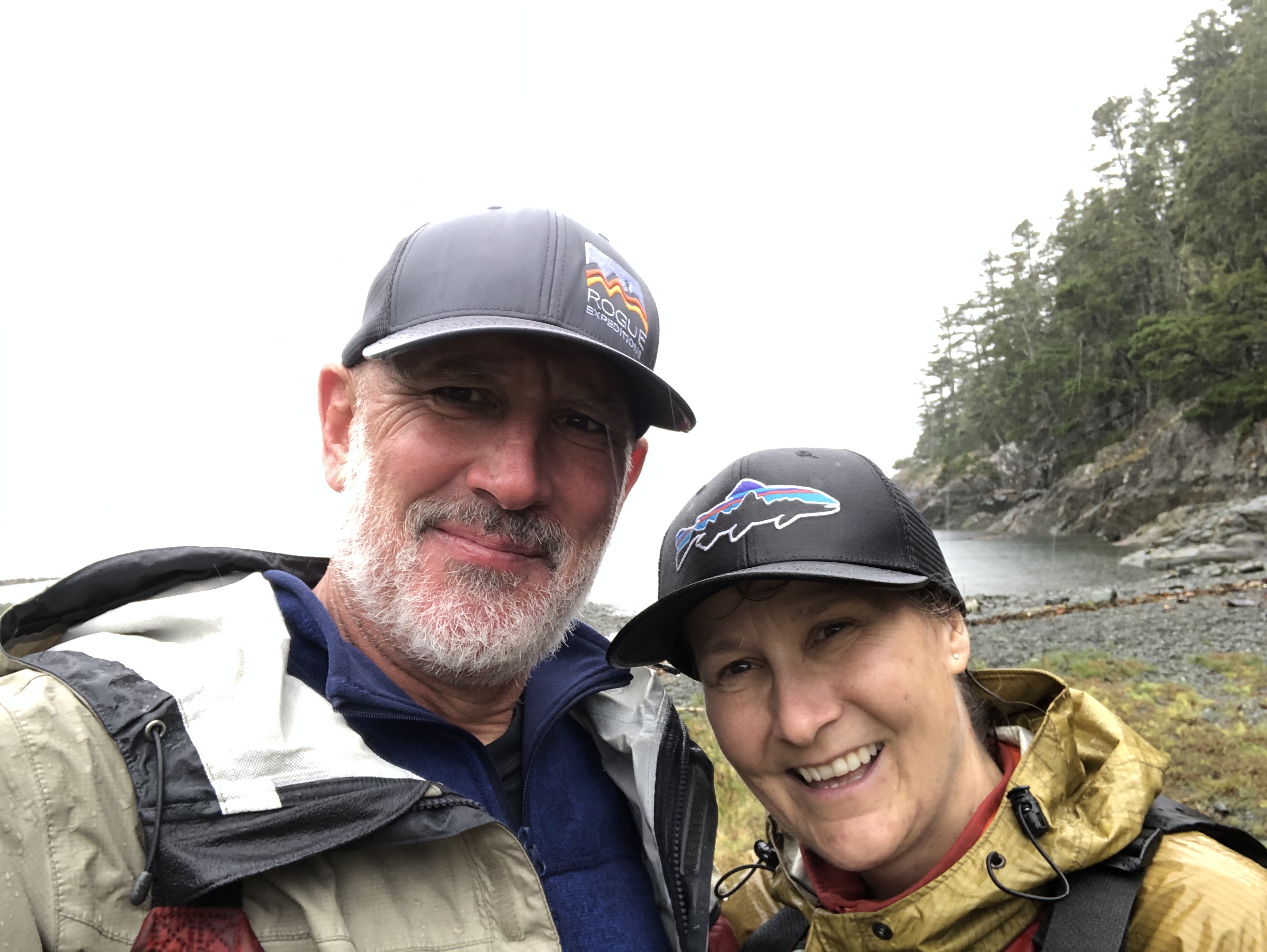
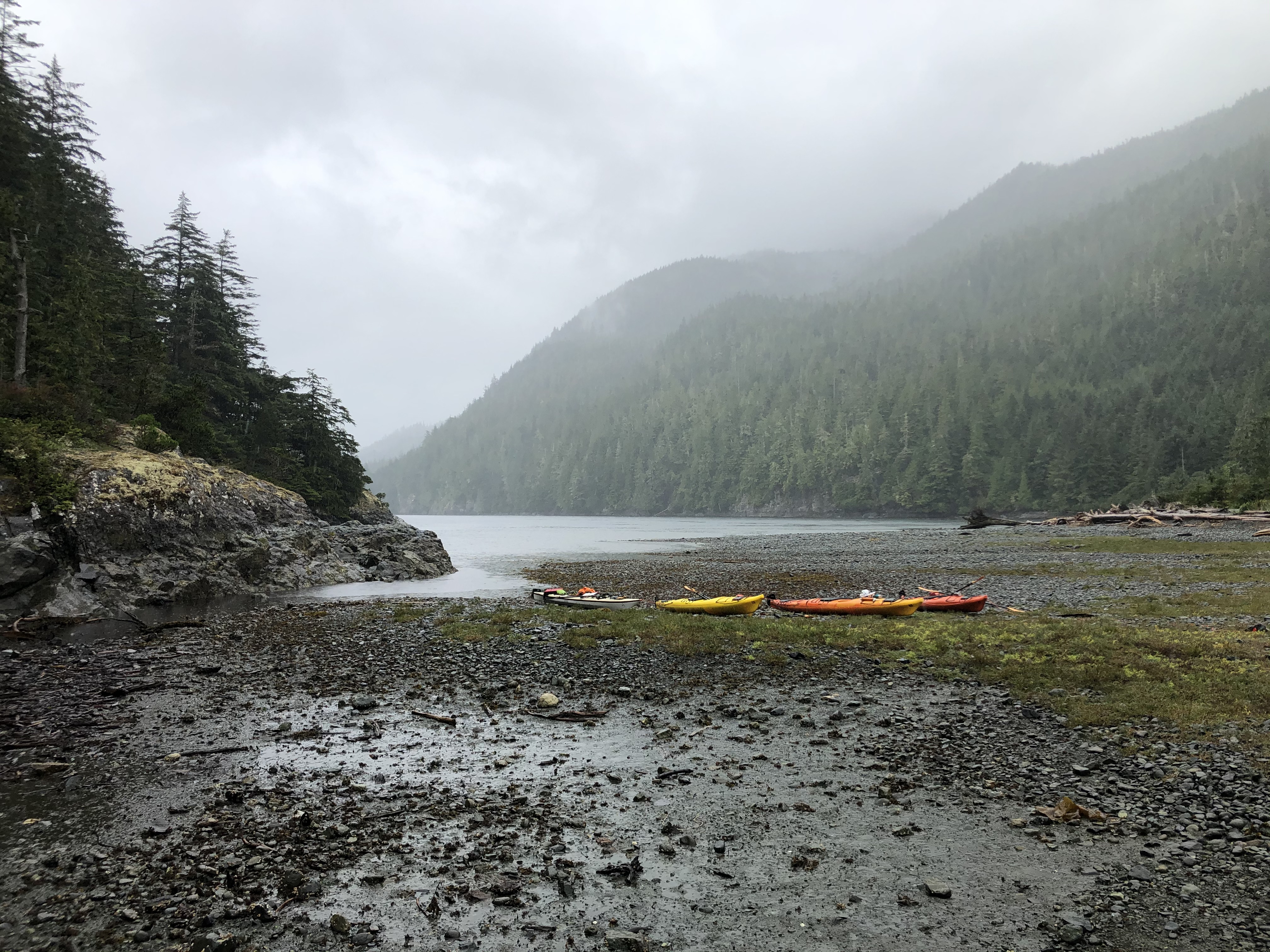
…. then on to Strathcona Park for two more nights before finally hopping on the ferry at Duke Point to take us home to Vancouver!
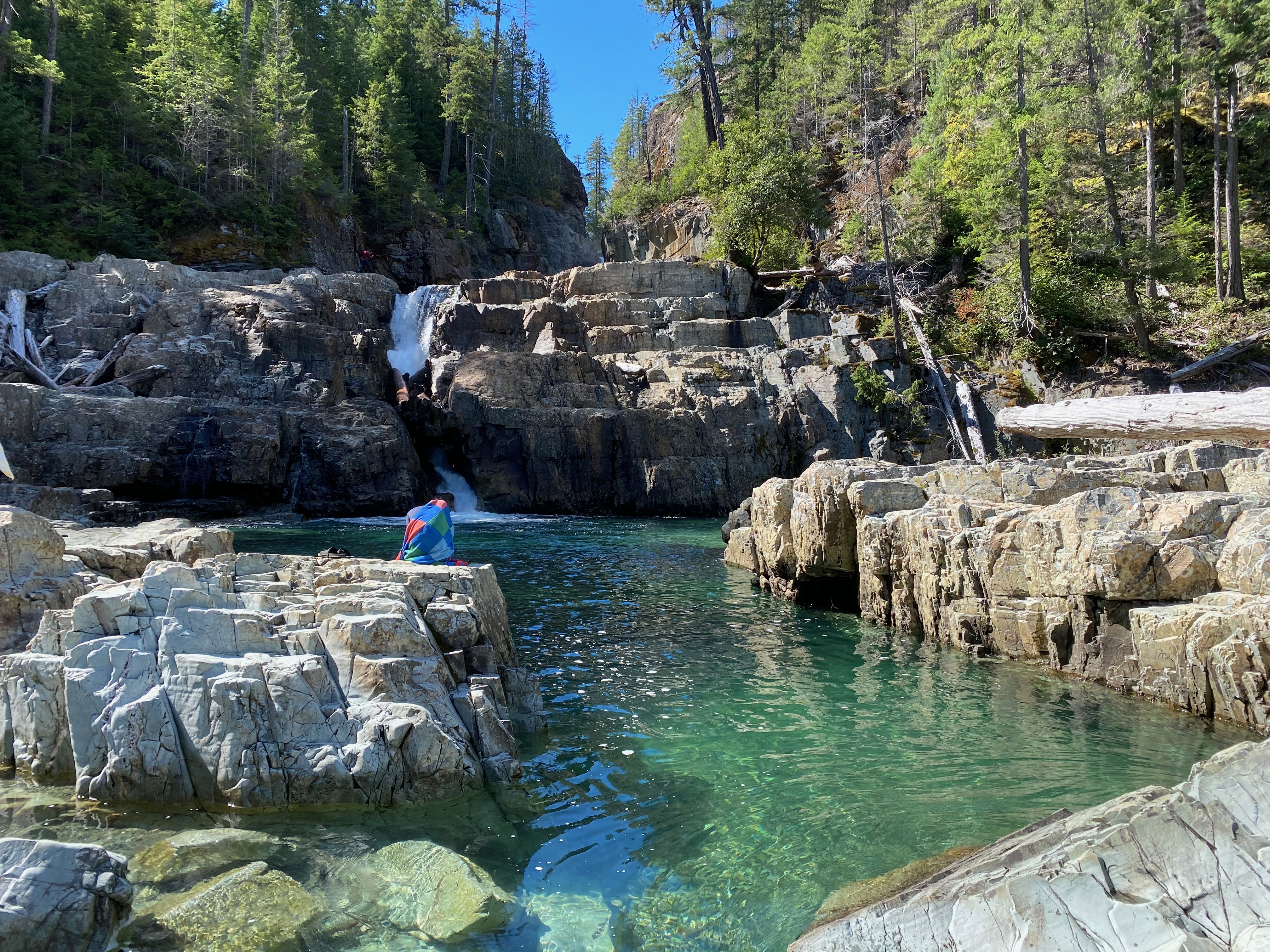
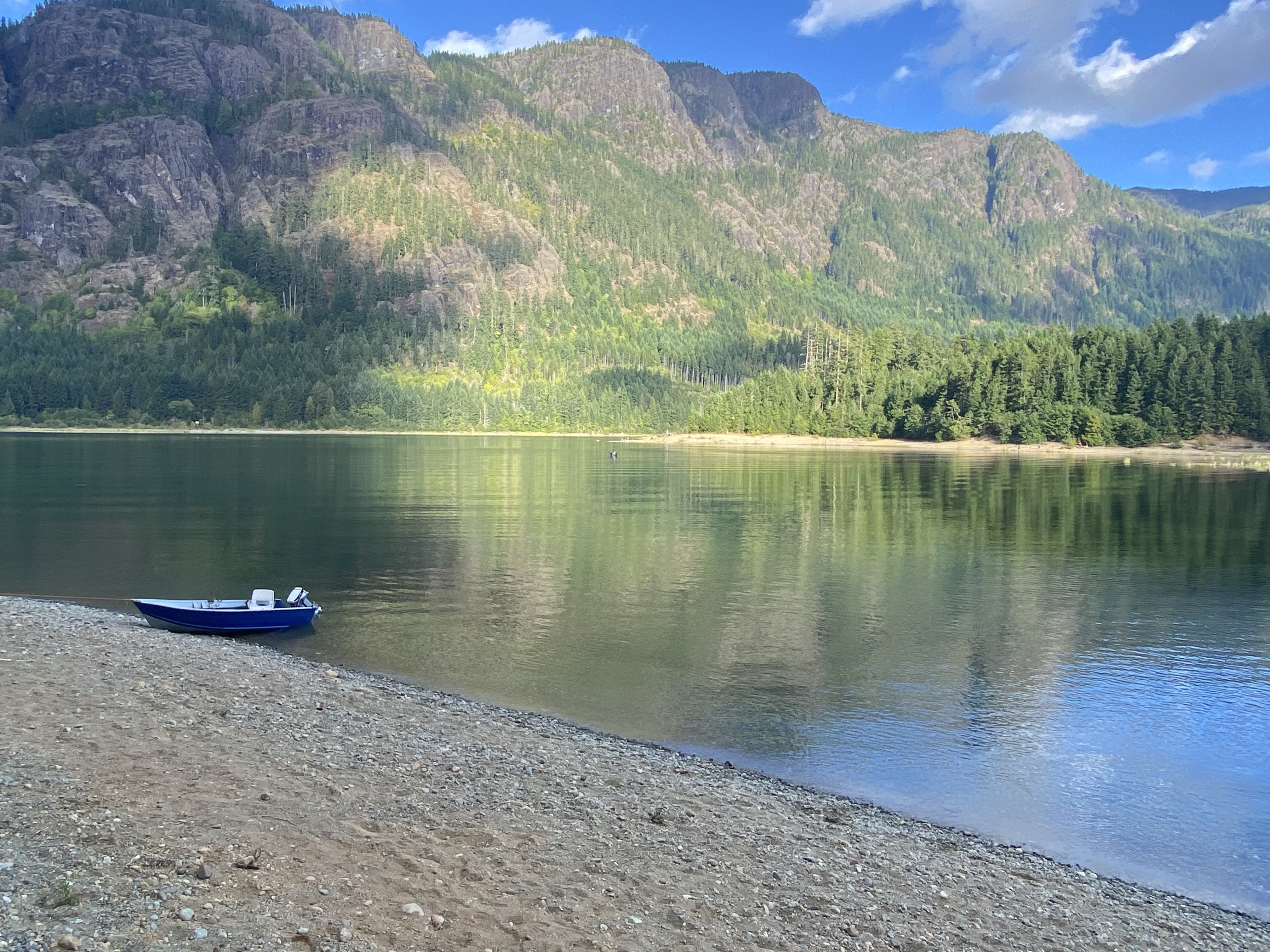
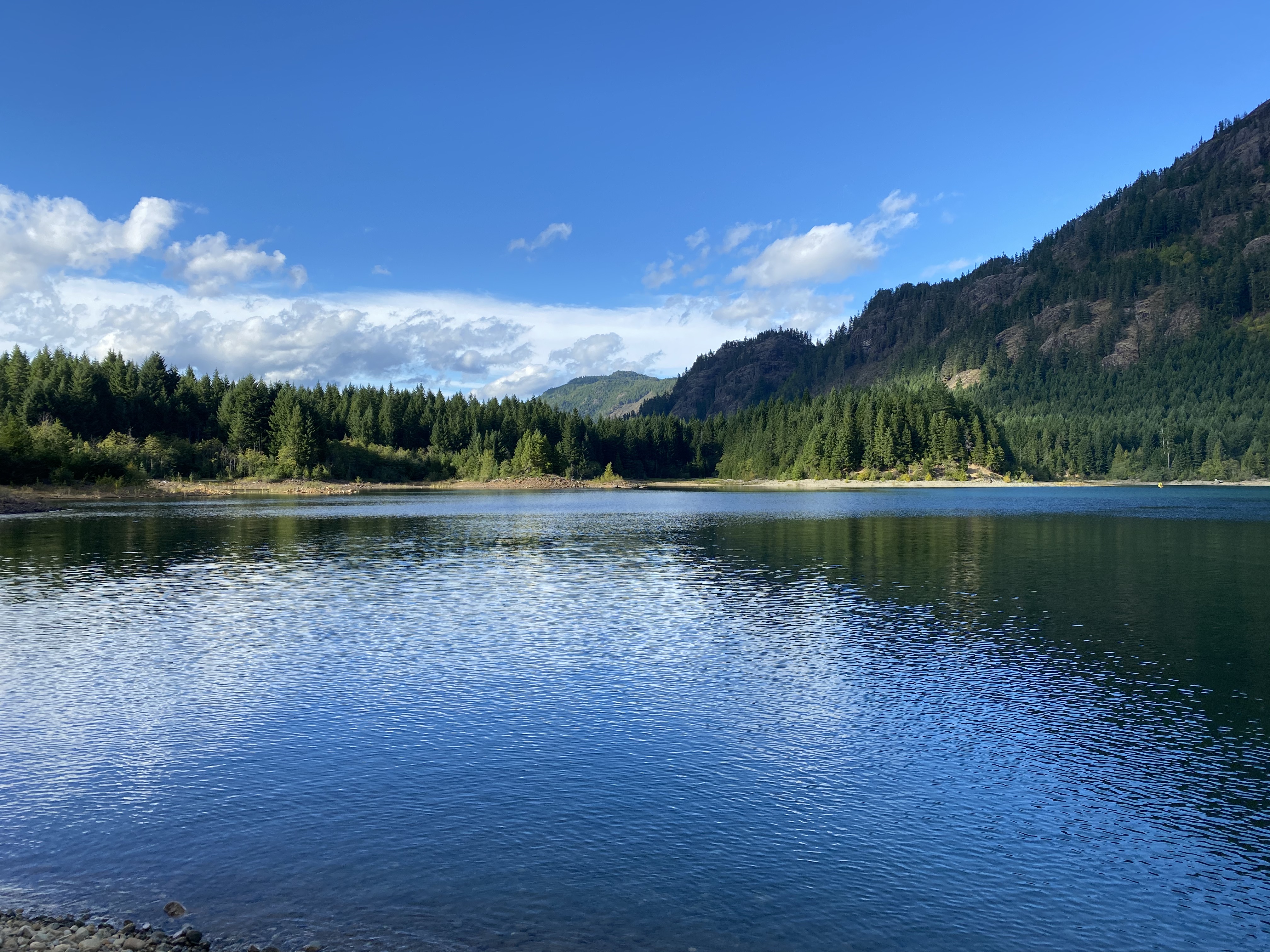
All tolled, we were on the road in our 19-foot motorhome for ten consecutive weeks. We managed to see so many cool places in BC and the Yukon, many for the first time. We were able to take our time and explore all those famous and not-so-famous ‘points of interests’ along the way that we often don’t have the time or inclination to stop for. We visited many beautiful BC Provincial and Yukon Territorial Parks – we are very lucky to have access to such amazing natural spaces. It wasn’t exactly the way we were planning to spend our summer but we are so very thankful that it was an option for us in this crazy year of Covid.
 Wandering Lindsays
You must be logged in to post a comment.